

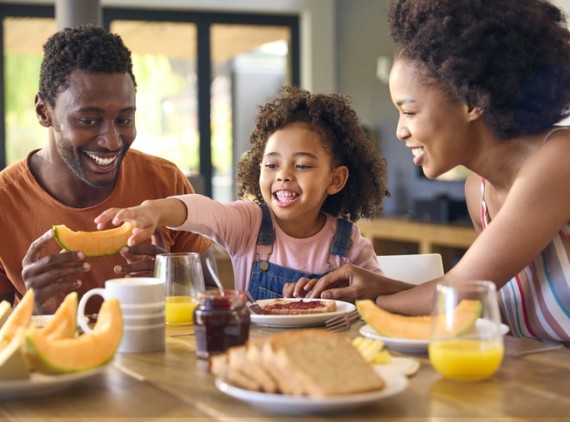


The beginning of a new year is an ideal time to introduce new, healthy habits to your family. Establishing a strong foundation of wellness can make a positive difference for both kids and adults. Below is a list of practical steps to help support better nutrition and physical activity for everyone in your family.
Healthy Eating Made Fun: Simple Ways to Get Kids Excited About Food
Eat the Rainbow
Encourage kids to fill their plates with a colorful array of fruits and vegetables. Not only do vibrant foods look exciting, but each color offers different nutrients that help growing bodies stay healthy and strong. Turn it into a game, can they build a plate with all the colors of the rainbow?
Make Food Fun
- Use Playful Shapes - Cookie cutters aren’t just for cookies. Use them to cut sandwiches, quesadillas, fruit, cheese and more into fun shapes.
- Encourage Finger Foods - If kids want to eat with their fingers, let them! Touching and exploring food can help picky eaters feel more comfortable trying new things.
- Turn Food into Art - Some ideas include:
- Creating a lion pancake by using fruit to form the mane and facial features.
- Make classic ants on a log with celery, peanut butter and raisins.
Little touches like these spark creativity and boost interest in nutritious foods.
Try Themed Food Nights
Make dinner an adventure by building meals around favorite books, movies or interests. Whether it’s a “space night” with galaxy fruit bowls or a “superhero snack board,” themed meals keep things fun and memorable.
Build-Your-Own Stations
Kids love having choices, and “Build Your Own” nights turn dinner into a hands-on activity.
Some options include:
- Taco bars
- Personal pizza nights
- Salad stations
- Baked potato bars
When kids help assemble their own meals, they’re more likely to try new ingredients.
Cook Together
Spending time in the kitchen teaches valuable life skills and gives kids ownership over what they eat. Children are far more excited to try foods they helped prepare. Just remember to keep activities age-appropriate and safe—little ones can wash produce or stir ingredients, while older kids can chop, mix and measure.
Explore with Charcuterie or Dip Trays
A charcuterie-style board filled with colorful fruits, veggies, dips, cheeses, crackers and proteins encourages sampling a variety of foods. Dip trays are especially appealing as kids love experimenting with different flavors.
Offer Choices
Whenever possible, give kids options: “Would you like apple slices or berries?” “Carrot sticks or cucumber rounds?” Simple choices build independence and make healthy eating feel empowering, rather than forced.
Promote Mindful Eating
Mindful eating is built around the idea of paying attention to the food that is being eaten without judgment. This gentle, intentional practice helps kids develop a positive relationship with food and understand their own bodies.
Make Mealtime a Calm, Connected Experience
- Sit and enjoy meals together whenever possible.
- Keep distractions like screens or toys away from the table so kids can focus on their food and the people around them.
- Engage in light, positive, stress-free conversations that make mealtime feel safe and enjoyable.
Build Awareness of Hunger and Fullness
- Talk with kids about how to tell when they’re hungry versus full.
- Discuss the difference between eating because of boredom, habit or impulse versus eating because their body needs fuel.
- Encourage kids to choose appropriate portion sizes by allowing them to serve themselves.
Reflect on Feelings Around Food
- Ask kids how eating certain foods makes them feel—energized, satisfied, sleepy, excited, etc.
- Share your own experiences and practice mindful eating yourself so you can model the behavior you want to teach.
- Mindful eating isn’t about rules; it’s about helping kids trust themselves, slow down and enjoy the moment.
Find Fitness That Fits: Helping Kids Stay Active, Healthy, and Happy
Kids are naturally full of energy, and channeling that energy into fun, healthy movement can set the stage for a lifetime of physical activity. Fitness doesn’t have to be structured or complicated; what matters most is that it’s enjoyable and fits your child’s interests. Here are simple, playful and effective ways to help kids stay active every day.
Make Fitness Fun
Kids are far more likely to stay active when they’re having a good time. Encouraging exercise in childhood not only boosts physical health but also helps develop coordination, confidence and resilience. The key is to keep it fun!
Try activities like:
- Visiting the local park
- Playing sports or active games as a family
- Inviting friends to join in outdoor activities
When movement feels like play, kids will want to keep coming back to it.
Keep It Simple: Sit Less, Move More
Fitness doesn’t need to be a big event. Small, everyday choices can add up to big benefits.
Encourage kids to:
- Walk the dog
- Ride a bike or scooter to school
- Dance together to their favorite songs
Tiny bursts of movement throughout the day help build healthy habits without feeling like “exercise.”
Get Active at Home
Movement can happen anywhere, including inside your home. Kids love to help, so bring them into household tasks that naturally get them moving. Sweeping, carrying laundry, gardening or tidying can all double as physical activity.
A family yoga session is another great way to stretch, relax and build strength together while reinforcing mindfulness.
Discover What They Love
Every child is unique, and the best fitness plan is the one that matches their interests.
Ask questions like:
- Do they love soccer?
- Are they drawn to dance or gymnastics?
- Do they enjoy skateboarding, biking, or swimming?
Let them try different activities until something clicks. When kids find what they enjoy, staying active becomes effortless.
Mix It Up: Different Types of Activity
A healthy routine includes different kinds of movement. You can help your child stay balanced by encouraging activities across several categories:
Vigorous-Intensity Aerobic Activities
Activities that get the heart pumping fast, such as:
- Running
- Fast bike riding
- Soccer or basketball
- Tag or flag football
- Jump rope
Moderate-Intensity Activities
These elevate the heart rate but allow for conversation:
- Brisk walking
- Bike riding at a comfortable pace
- Skateboarding
- Swimming
- Playing catch
Muscle-Strengthening Activities
Great for building power and stability:
- Climbing
- Wrestling
- Tug-of-war
Bone-Strengthening Activities
Ideal for building strong bones and enhancing coordination:
- Hopping
- Skipping
- Jumping
- Running
Mixing activities keeps things exciting and supports overall development.
Be an Active Role Model
Kids naturally mimic the adults around them. When they see you being active—whether you’re walking, stretching, dancing, or playing—they learn that movement is a normal, joyful part of daily life. Making movement a family affair strengthens healthy habits and creates lasting memories.
Any Movement Is Good Movement
The most important thing to remember? Any safe, age-appropriate activity counts. Fitness doesn’t have to be structured or perfect. If your child is moving, exploring, and having fun, they’re already building a strong foundation for lifelong health.