The fall that changed everything
When Payton was 5 years old, she was running at school when she slipped and fell, hitting her head on the sidewalk. There was a little blood near her ear, and her parents thought she might need a few stitches. She never lost consciousness, so no one realized how serious the injury was. “We had no idea what was going on in her brain,” says her mom, Brandy.
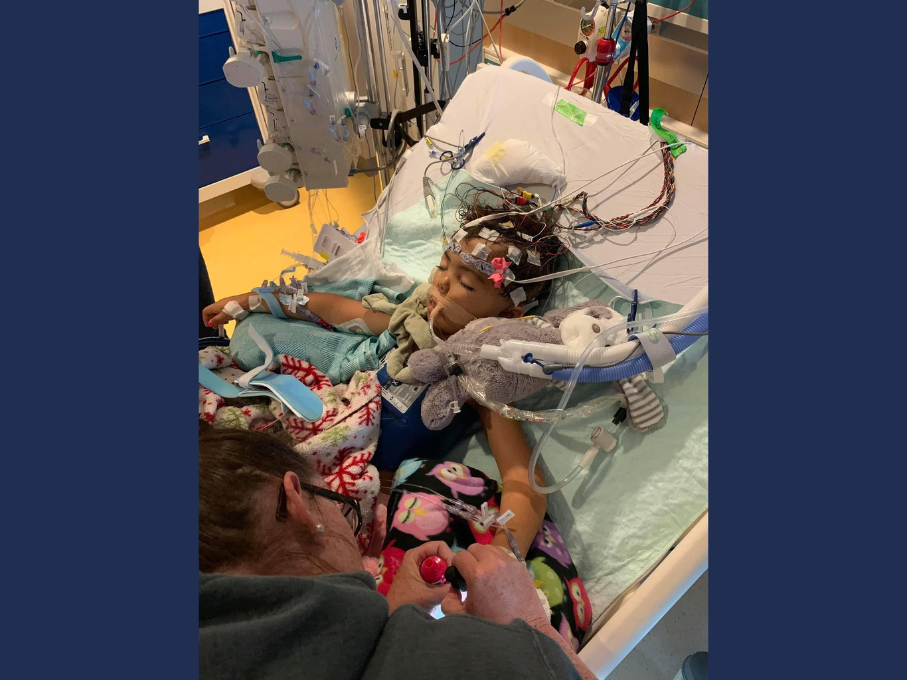
Diagnostic scans at a local urgent care near the family’s home in Surprise told a different story. Payton had a skull fracture and a brain bleed. She was rushed to Phoenix Children’s, where she was diagnosed with a traumatic brain injury and underwent emergency brain surgery.
As part of her care, Payton received a new cooling treatment for traumatic brain injury that was considered cutting-edge at the time.
Care that made the whole family feel seen
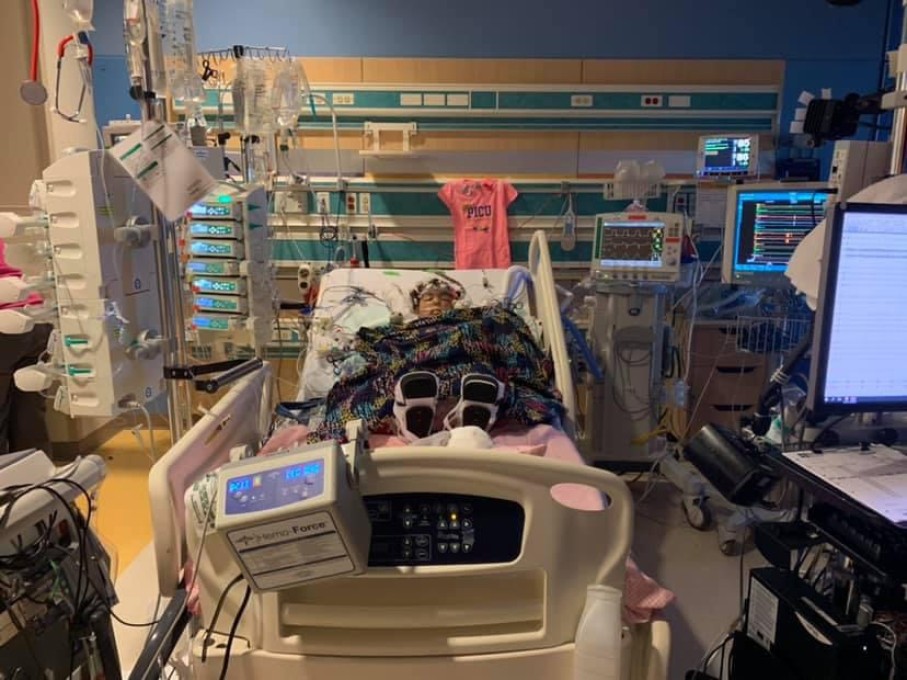
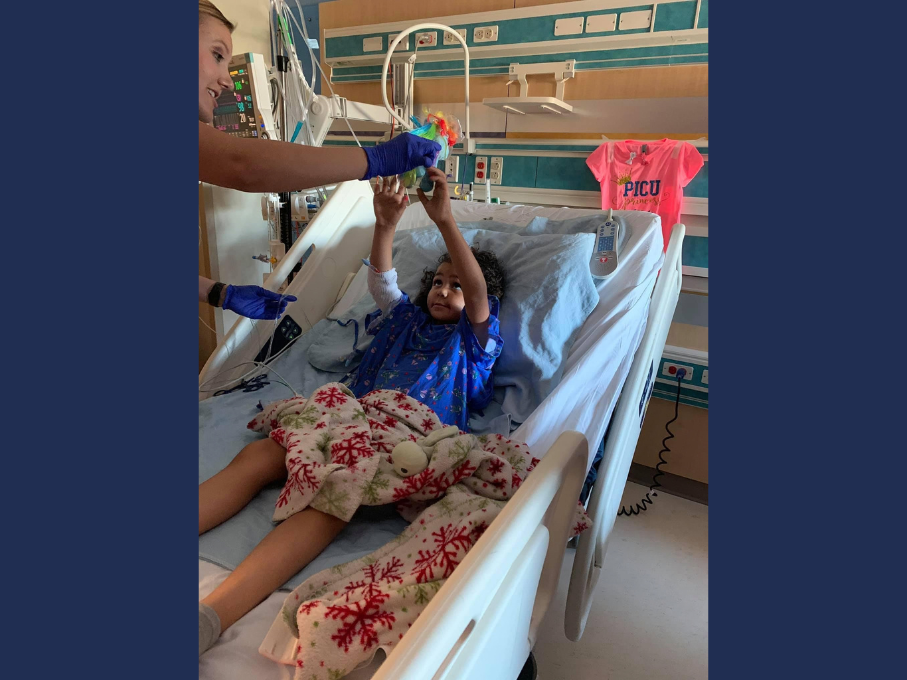
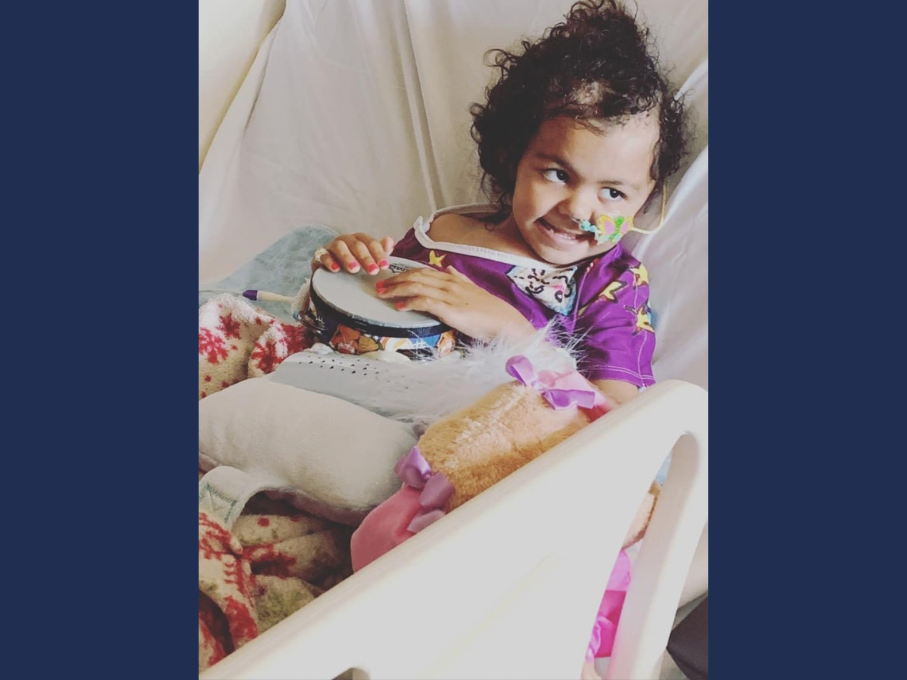
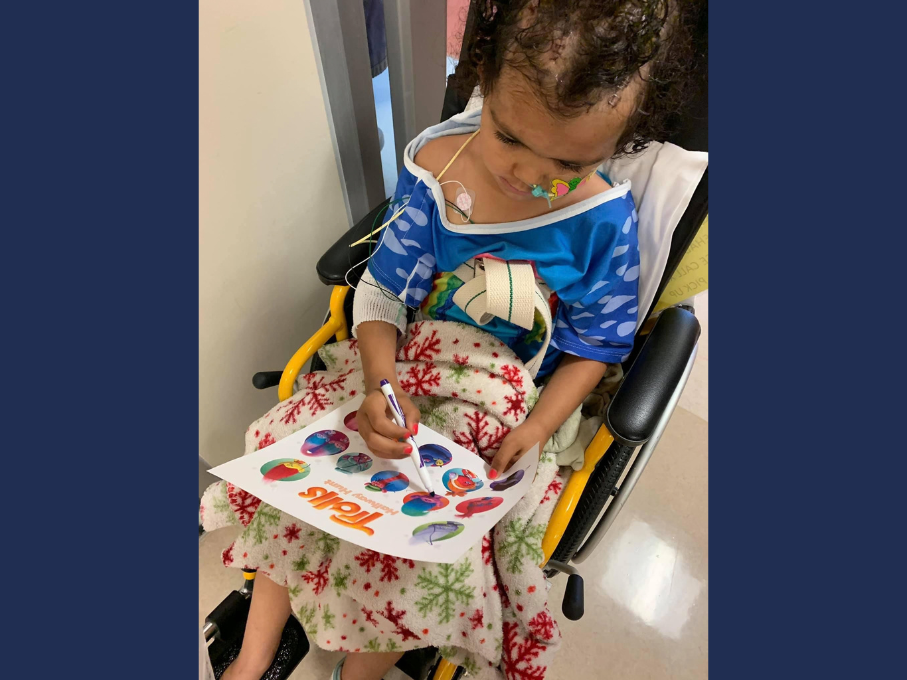
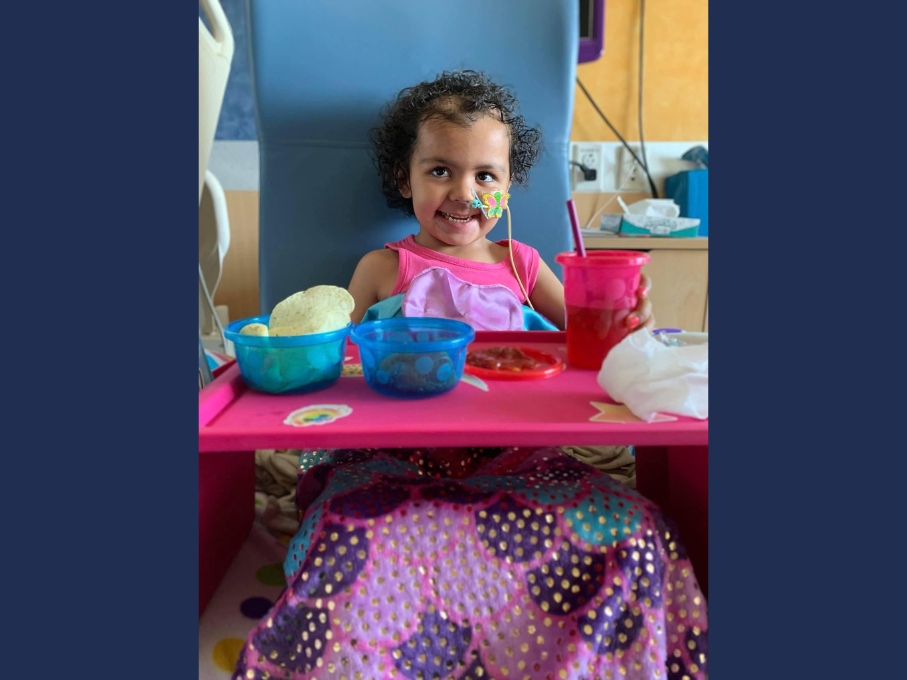
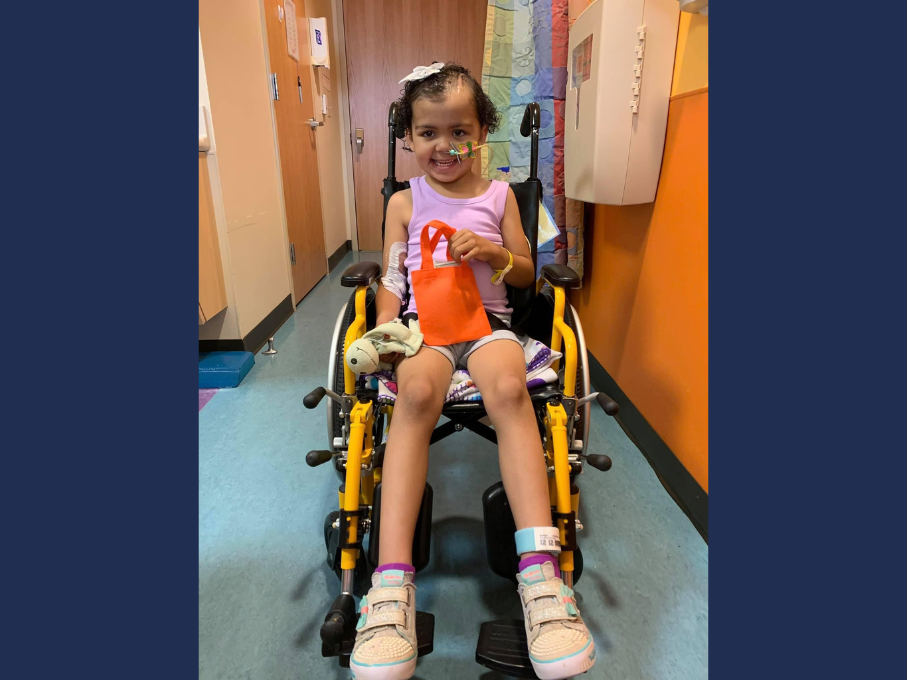
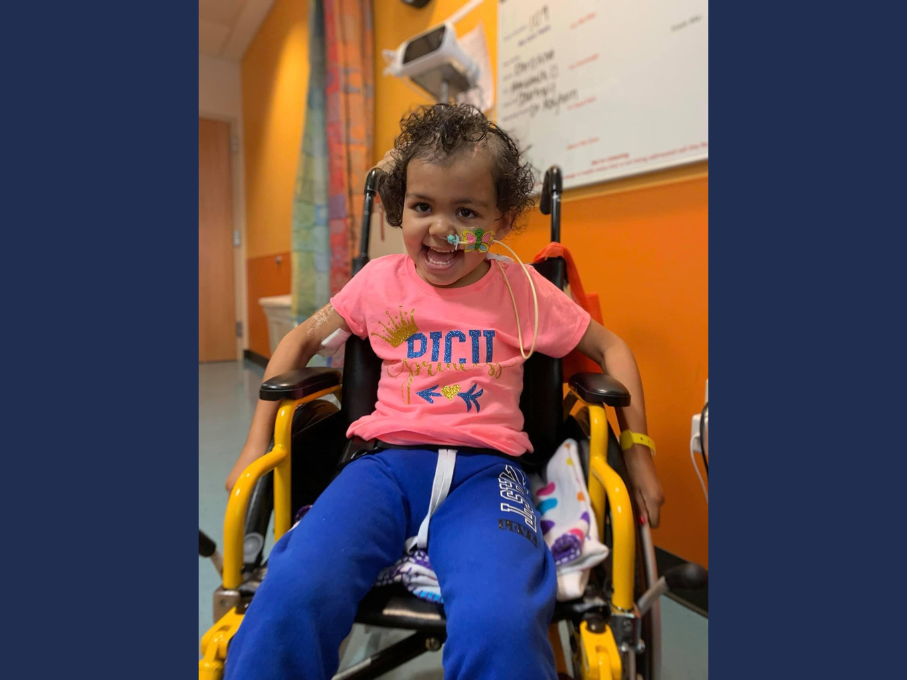
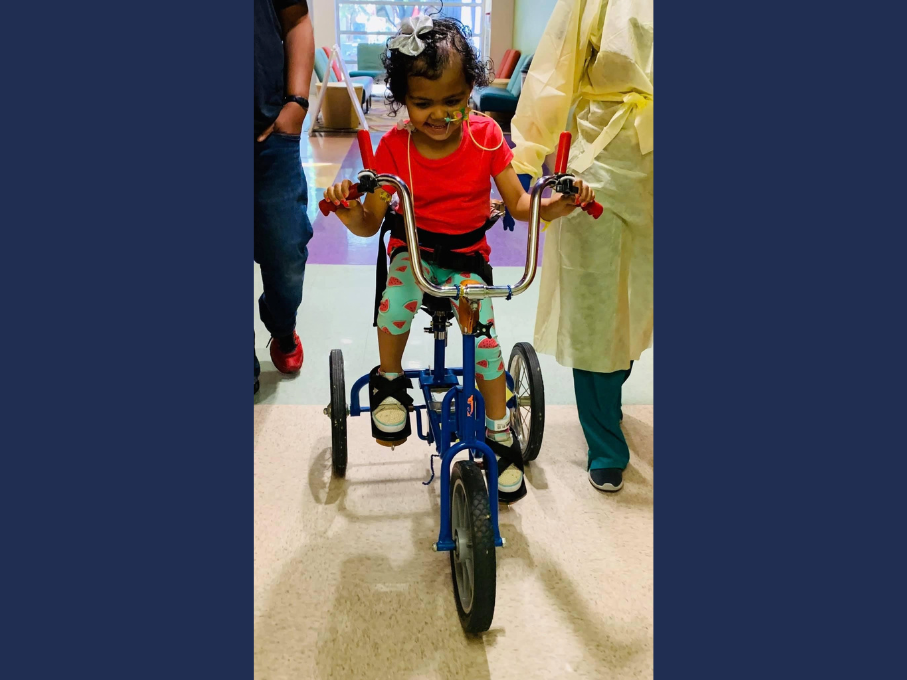
Payton spent nearly 30 days at Phoenix Children’s, including 12 days in a coma in the pediatric intensive care unit (ICU). After her time in the ICU, she transitioned to the inpatient rehabilitation unit to learn the gross and fine motor skills her young body once took for granted.
The Pierce family had just moved to Arizona from Illinois and had no local support system. From the moment they arrived, Brandy says, the care team made them feel known.
“My first impression was how amazing they were at explaining things to me in a way that I could understand,” she says. The team already had Payton’s scans from urgent care and knew her by name.
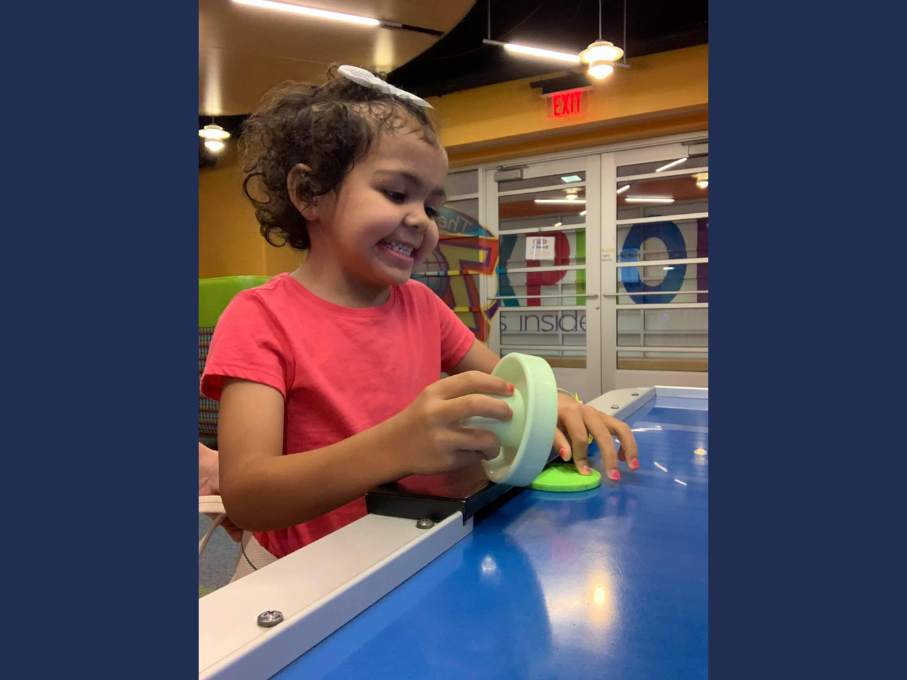
When the family spent their first Easter in the hospital, the care team made sure they took part in the celebration as a family, with gifts and a visit to the Child Life Zone – a state-of-the-art therapeutic space where kids can simply be kids.
Payton’s love of music and art became part of her treatment. Her care team used art therapy and music therapy to help her regain motor skills. It turned the hard work of rehabilitation into something that helped motivate her through recovery.
It was in rehab that the family met Kimberly Painter, PsyD, a pediatric neuropsychologist whose relationship with Payton has now stretched into its seventh year.
“When I first met her, she was about half my size. Now she comes to her appointments towering over me,” Dr. Painter says. “It’s one of the things I love about rehab. While I meet families during some of the hardest moments in their lives, I get to journey with them through recovery witnessing their child’s resiliency.”
“Payton’s care team was incredible,” Brandy says. “They continually went above and beyond to help her and us navigate the scariest moments of our lives.”
When recovery doesn’t end at discharge
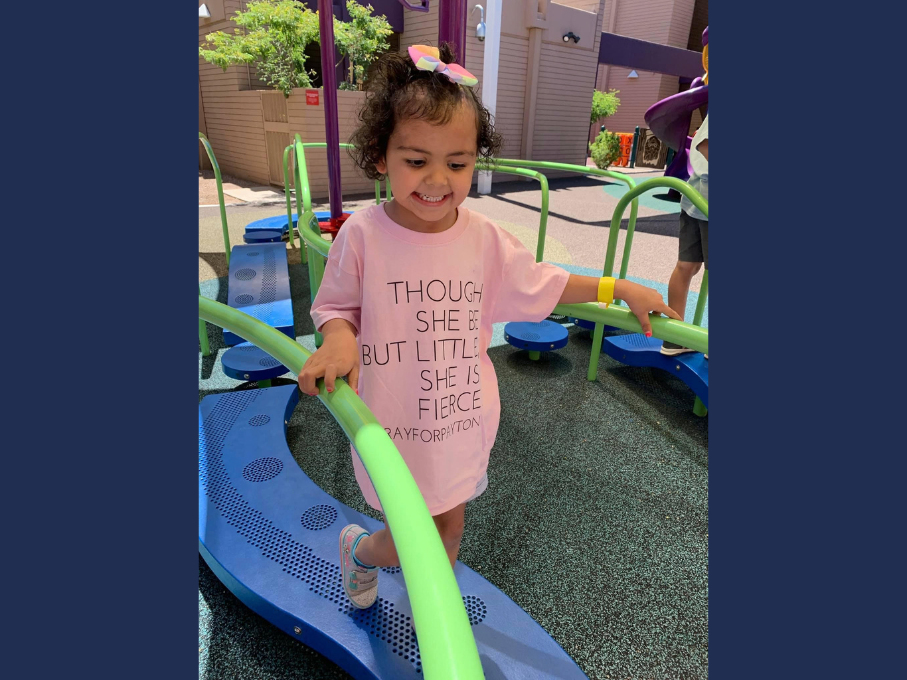
To look at Payton today, you might never guess what she’s been through. But a traumatic brain injury isn’t an event a child simply gets past, it’s a lifelong condition that keeps shaping how a child learns, thinks and grows. For Payton, brain injury recovery didn’t end when she left the hospital. In many ways, it was just beginning.
Some of that became visible at home. The big emotions that came easily to other kids her age were suddenly hard for Payton to manage.
“When Payton first had her injury, she had a lot of emotional challenges that were very big and loud and challenging to manage,” Dr. Painter says. “That was probably one of the biggest things I worked with her parents on early on. This was not their kiddo from before her accident. She didn’t have any history of behavioral challenges. And after her brain injury, she did.”
That is what makes a traumatic brain injury different from many other conditions a pediatric neuropsychologist sees. Many children with a developmental condition have always been who they are. A child after a brain injury may look very different from the child their family has known so well.
For Dr. Painter, that difference shapes the way she works with families in those early years. “There's a huge role for neuropsychology in helping parents navigate what it looks like to relearn aspects of their child,” Dr. Painter says. “A lot of things are the same. But there are tweaks we work on together, in how they’re parenting, in how they’re helping their child learn, or in how they’re structuring the environment at home.”
“Many of the changes after a brain injury are subtle or invisible,” says Ashley M. Whitaker, PhD, division chief of Neuropsychology at Phoenix Children’s. “After a medical event, it is easy for people in a child’s life to think, oh, they were sick and now they are better. So many of the after-effects are not physical anymore. They are cognitive, emotional and behavioral.”
Neuropsychology stays with families long after that medical clearance. “Once a child is cleared from a medical standpoint, there is not a lot of follow-up,” Dr. Whitaker says. “For our team, they are not really cleared. We are with these children all the way into adulthood.”
A yearly compass for school and home
Each year, Payton returns to Phoenix Children’s to see Dr. Painter. The team uses the visit to ask the same set of questions in a new way. What is Payton doing well now? Where is she struggling? How are the demands of her life different than they were last year?
That last question matters more than parents often expect. As children grow, the demands placed on their brains keep changing.
“A 5-year-old is not expected to multitask or organize a school schedule,” Dr. Whitaker says. “By middle school, they are. Sometimes a challenge from a brain injury does not show up until the demands of a child’s life catch up with it. We call that growing into your deficits.”
For Dr. Painter, that means the work itself has had to grow with Payton. “The interaction between a child’s cognitive profile and the environment around them is constantly evolving,” she says. “As Payton has grown, our job has been to figure out how supports and accommodations need to look different at each age, and how to shape the environment around her so it plays to her strengths.”
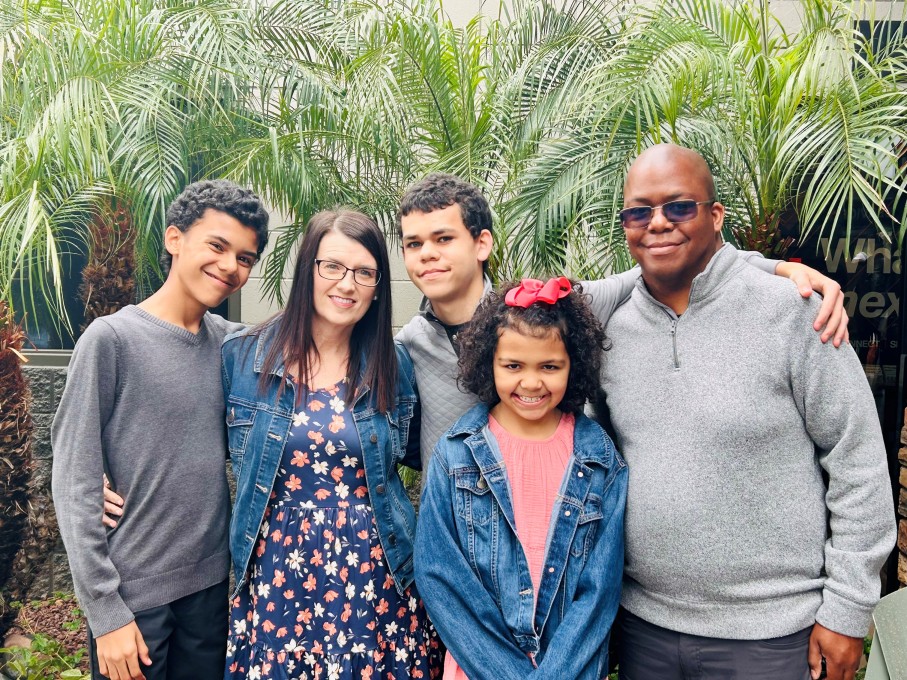
For Payton’s family, those yearly visits have become a kind of compass. They give Brandy and her husband, Aaron, an updated picture of their daughter year after year. They guide the accommodations Payton receives at school and the therapies she needs outside of it. And they help the family plan ahead for the next transition, whether that is a new classroom or the move from middle school to high school.
“What’s remarkable about the developing brain is its capacity to adapt,” Dr. Whitaker says. “Our role is to understand each child’s unique profile of strengths and challenges, and to help families and schools build around it – so a child isn’t defined by an injury but supported through it.”
The family has learned to meet that uncertainty with flexibility. They never quite know how Payton will respond to a new situation, or how her abilities will develop as she grows. But each year, the neuropsychology team helps them understand a little more and plan a little better.
Looking ahead with confidence
Every year, Payton’s family comes back to Phoenix Children’s for an annual rehab reunion. It is a gathering of the team that helped Payton through her hospital stay and the families they have walked alongside.
“They are always there,” Dr. Painter says. “They come every year and meet with the therapists, nurses and doctors who were part of Payton’s care. They keep us updated.”
Earlier this year, at the February reunion, Brandy was excited to share some of the changes the family had made to Payton’s school plan since her last evaluation. It was a small moment, but it captured what makes this kind of care different.
“It’s nice to have families excited about the things they want to share with us,” Dr. Whitaker says. “When we check in, they know that I know them and their story. We’re invested in them, and we want to celebrate their wins.”
That longitudinal care, the ongoing relationships and regular check-ins, is now shaping how the neuropsychology team works with other families too. Annual visits no longer have to mean a full day of testing. Often, a shorter targeted consultation is enough to answer the questions a family brings and to update the plan that supports their child.
“What Dr. Painter has built with this family is not the traditional neuropsychology model,” Dr. Whitaker says. “It’s what the rest of us are working to bring to all of the families we see.”
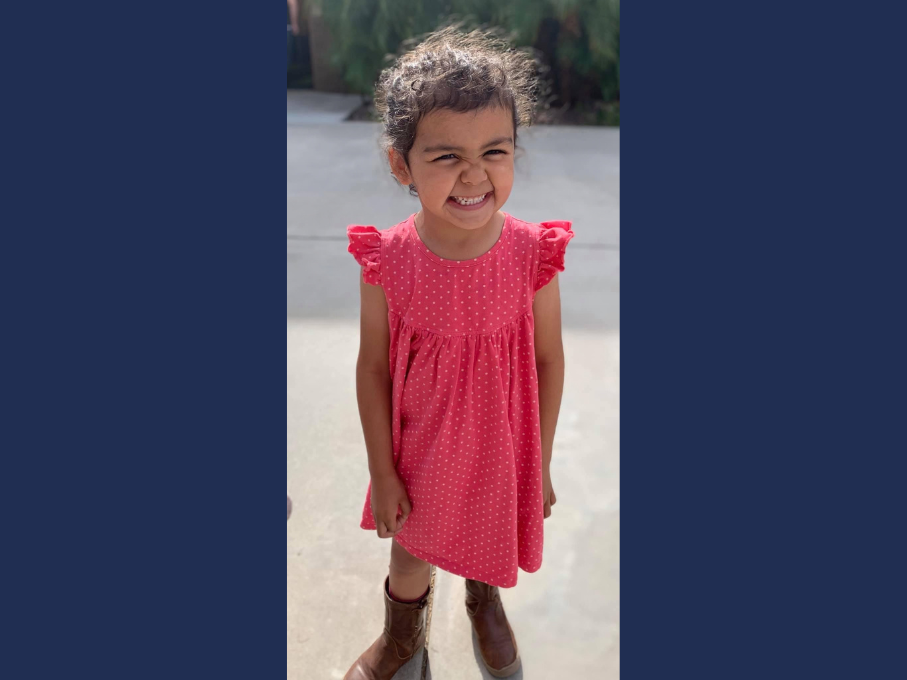
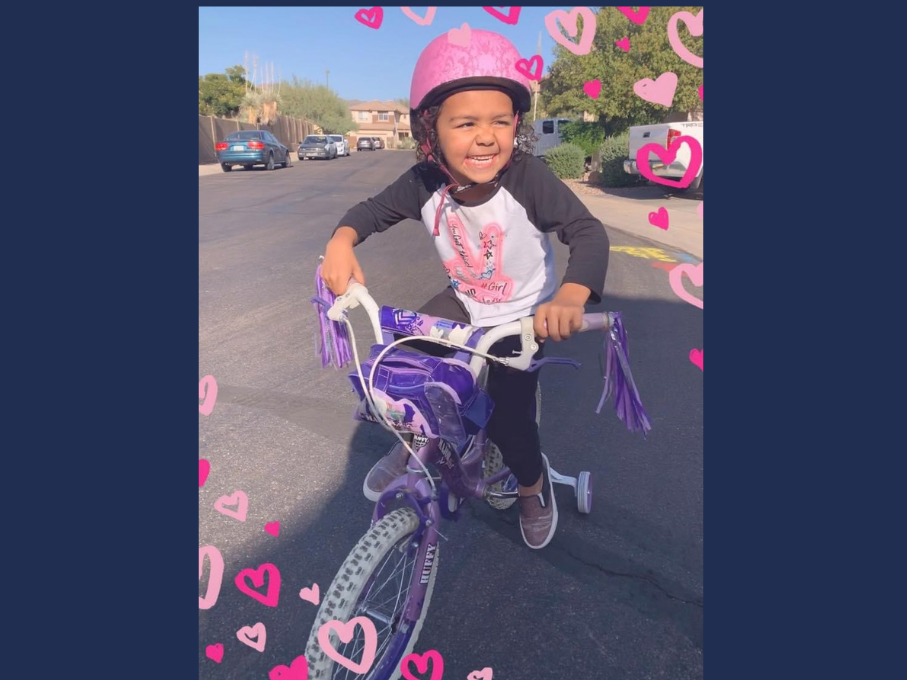
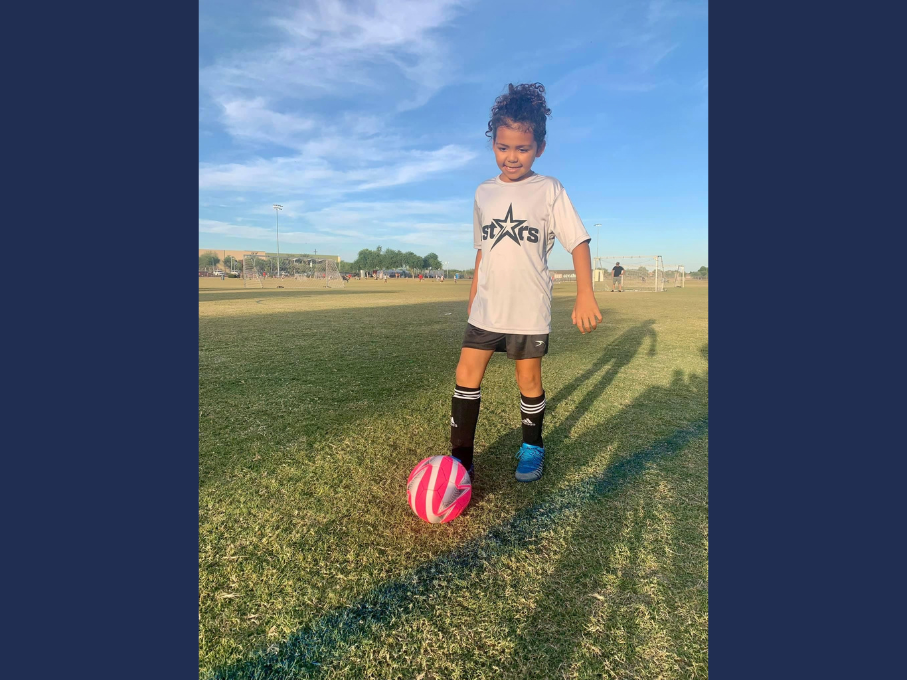
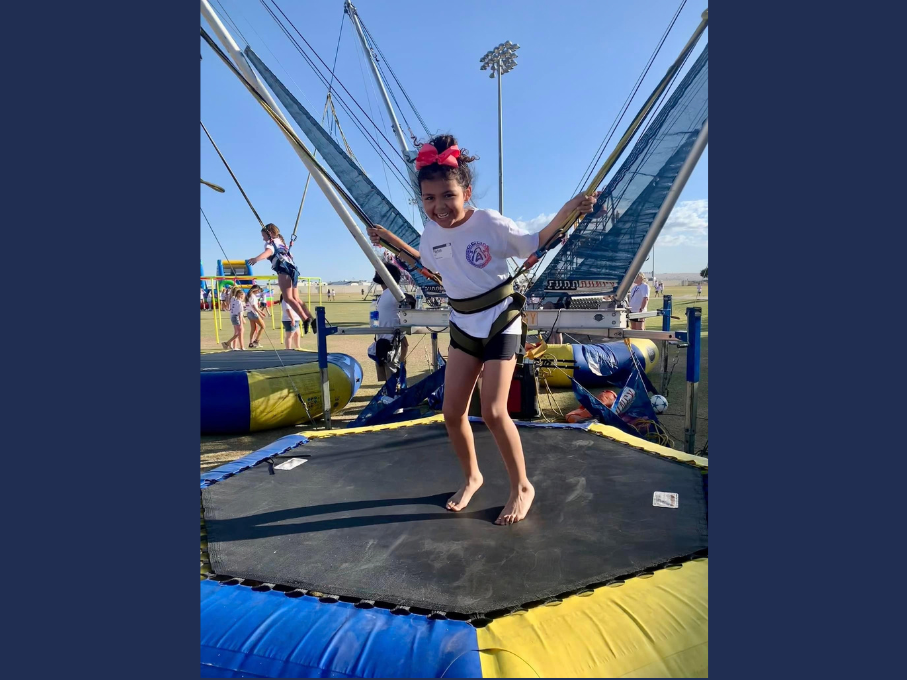
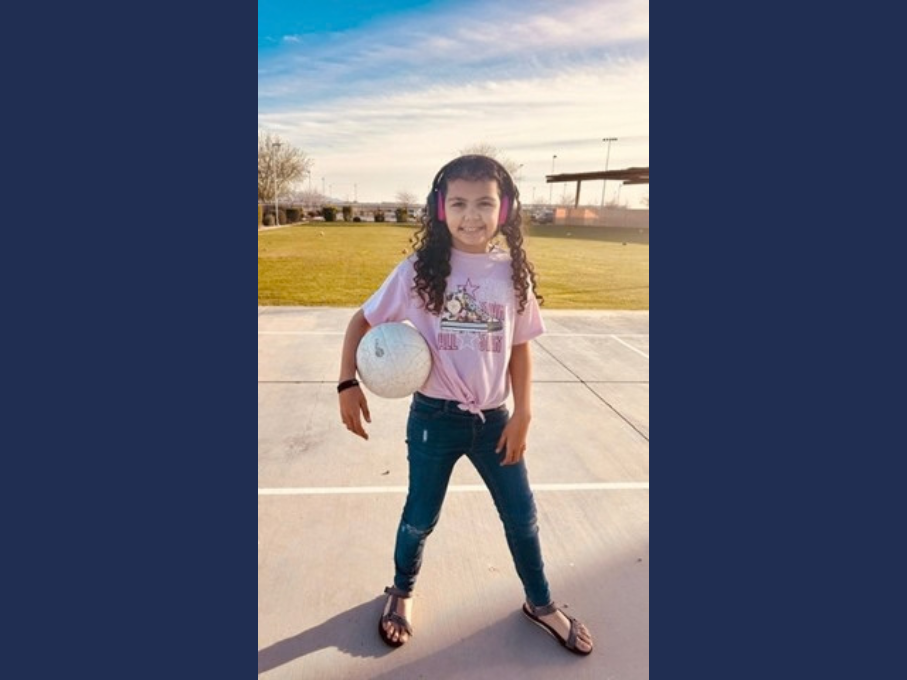
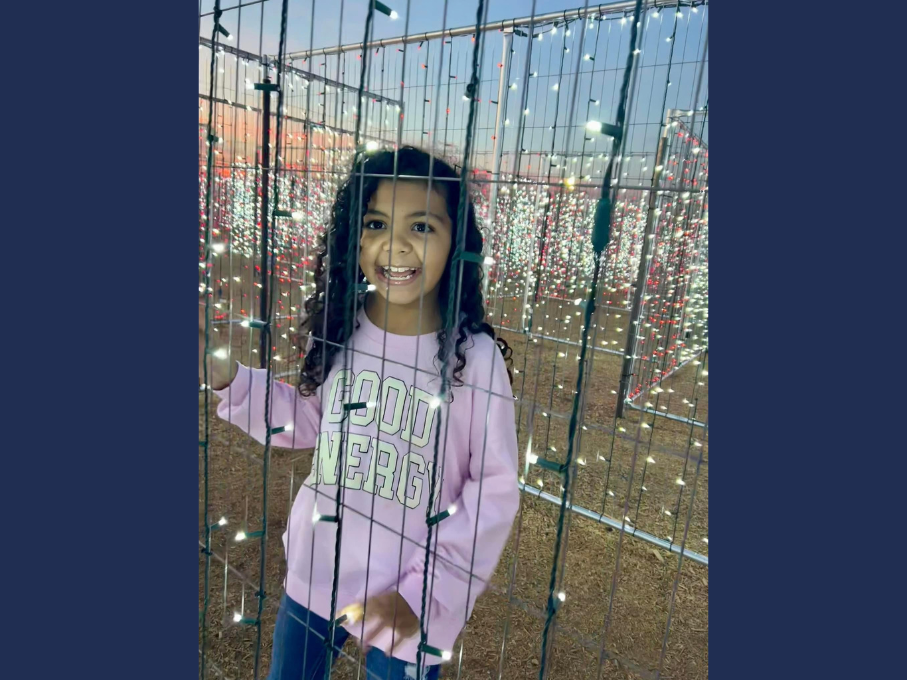
Seven years after that fall on the playground, Payton is back to art, music, soccer and STEM club. She can be a little shy. But at her appointments now, she’s the one who walks in eager to talk about summer camp and what’s coming up at school. She’s the same energetic, compassionate, funny girl her family loves.
“I love Payton and her family,” Dr. Painter says. “They share their wins with us. That’s the kind of relationship we want for every family who comes to see us.”