After a rare heart defect diagnosis, Noriah’s care team at Phoenix Children’s helped her thrive
Laura first grew concerned when she delivered her third child, Noriah, and the doctor heard a heart murmur.
“It was very traumatic,” she recalled. “As a mom, you think, ‘okay, it does happen – a heart murmur in newborn babies.’ I clearly remember the doctor telling me and my husband, Gabriel, that it happens sometimes, but it usually goes away.”
Because she and Gabriel didn’t have a history of heart conditions, Laura tried to dismiss her concern. The next day, though, a nurse told the couple Noriah would need an echocardiogram, an ultrasound of the heart, because her heart murmur was still there.
“As a parent, you just have that feeling,” Laura said. “You have that feeling that something’s wrong with your baby.”
Answers no parent wants—but hope soon followed
The echocardiogram revealed that Noriah had been born with a heart condition called tetralogy of Fallot (TOF).
TOF is a set of four heart defects that appear together at birth (called congenital). The defects change the way blood flows to the lungs and through the heart. They include:
• A narrowing of the pulmonary artery, which carries blood from the heart to the lungs
• A shift in the location of the aorta, the artery that carries oxygen-rich blood to the body
• An opening in the wall between the two lower chambers of the heart (right and left ventricles)
• An enlarged right ventricle, or lower chamber of the heart
Doctors told Laura and Gabriel that, at the moment, there was nothing they could do for Noriah. Instead, she needed to spend some time growing and getting stronger so she could withstand surgery to fix her heart.
Instead, however, Noriah began having “episodes when her skin turned purple (a sign her blood lacked oxygen),” Laura explained, and, at her two-week appointment, Noriah’s cardiologist told Laura and Gabriel that their daughter’s oxygen level was very low.
“They said, ‘Don’t freak out, but the ambulance is on its way,’” Laura remembered. “They were transferring us to Phoenix Children’s.”
A lifesaving heart surgery and a trusted team
At Phoenix Children’s Center for Heart Care, Laura and Gabriel learned that the goal was still to delay surgery for as long as possible, but Noriah continued to have episodes where she’d turn purple (called cyanosis) because her blood didn’t have enough oxygen.
At that point, Noriah’s care team explained that she needed emergency open-heart surgery to fix the hole between her heart chambers and improve blood flow to her lungs. Daniel Velez, MD, a cardiothoracic surgeon and co-director of the Center for Heart Care, met with the couple and told them he’d perform the procedure the next day.
“Dr. Velez came in and explained to us, detail by detail, what was going to happen with Noriah,” Laura said. “He was wonderful. We could not have chosen a better surgeon, which is good because you’re putting your child’s life in their hands.”
Despite Dr. Velez encouraging them to go home and rest during the hours-long surgery, Laura and Gabriel chose to stay at the hospital, anxiously awaiting news.
Thankfully, shortly after the five-hour mark, “Dr. Velez told us that everything was fine, and that Noriah did really well,” Laura said.
After three weeks, Noriah was cleared to go home to Glendale with her family. Although she returned six months later with her parents for an interventional cardiology procedure designed to widen her pulmonary artery at Phoenix Children’s cardiac catheterization lab, the operation didn’t work.
Instead, the pediatric cardiology team told Laura and Gabriel they’d continue to monitor Noriah as she grew and perform the procedure during the next heart surgery she’d need – likely between ages 12 and 15 – to place artificial heart valves.
Growing stronger every day
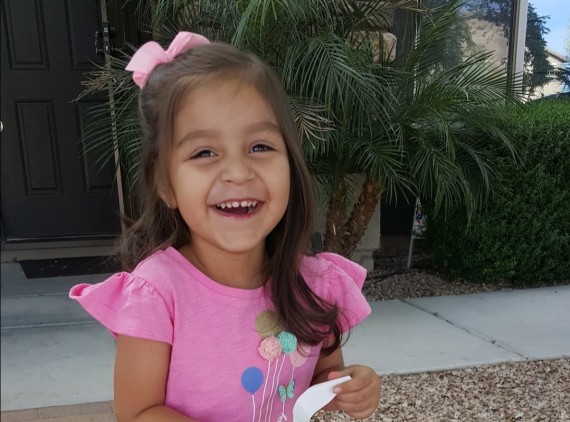
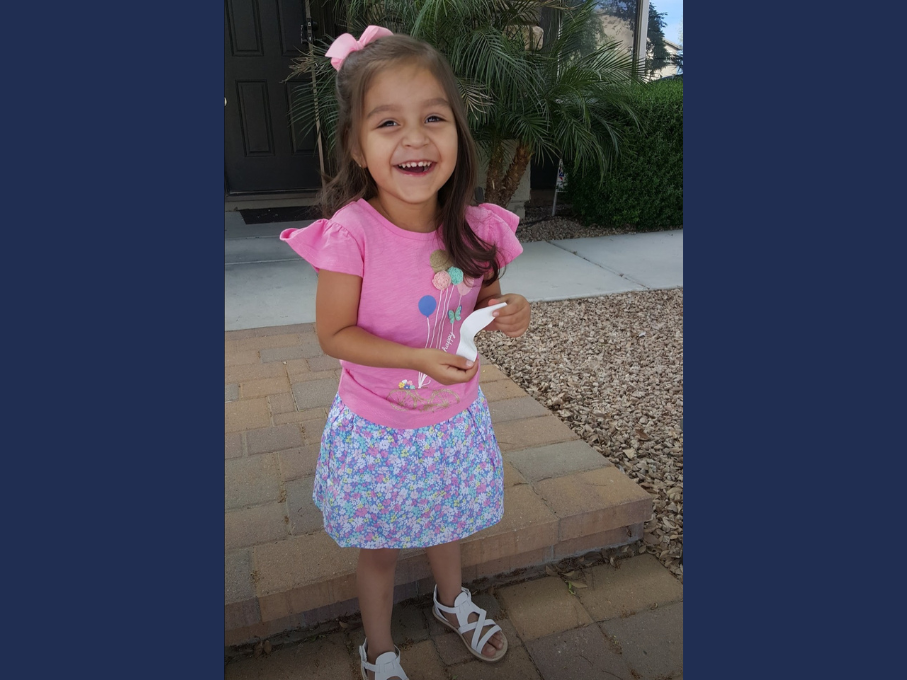
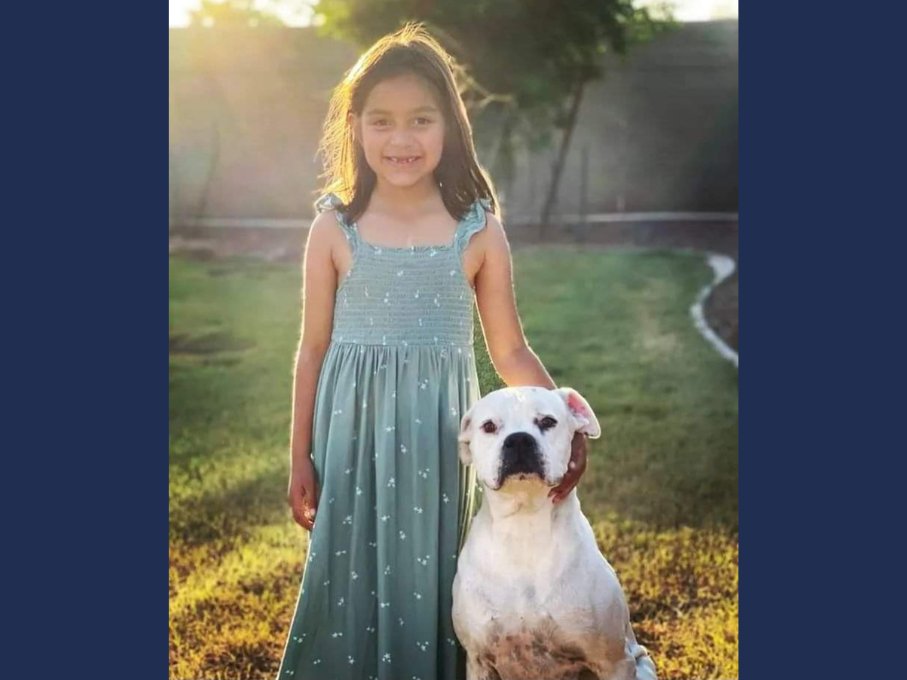
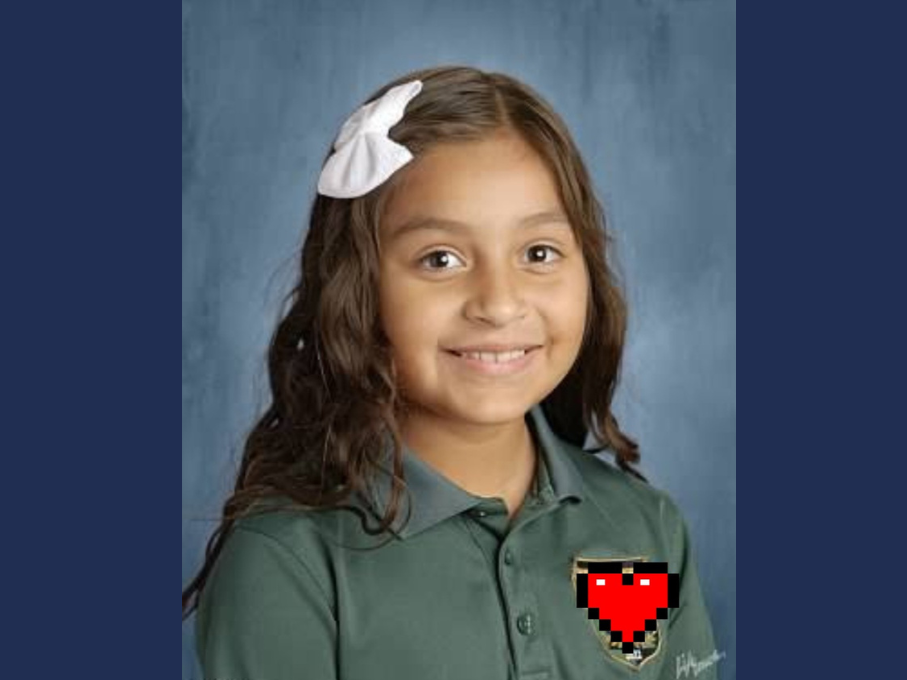
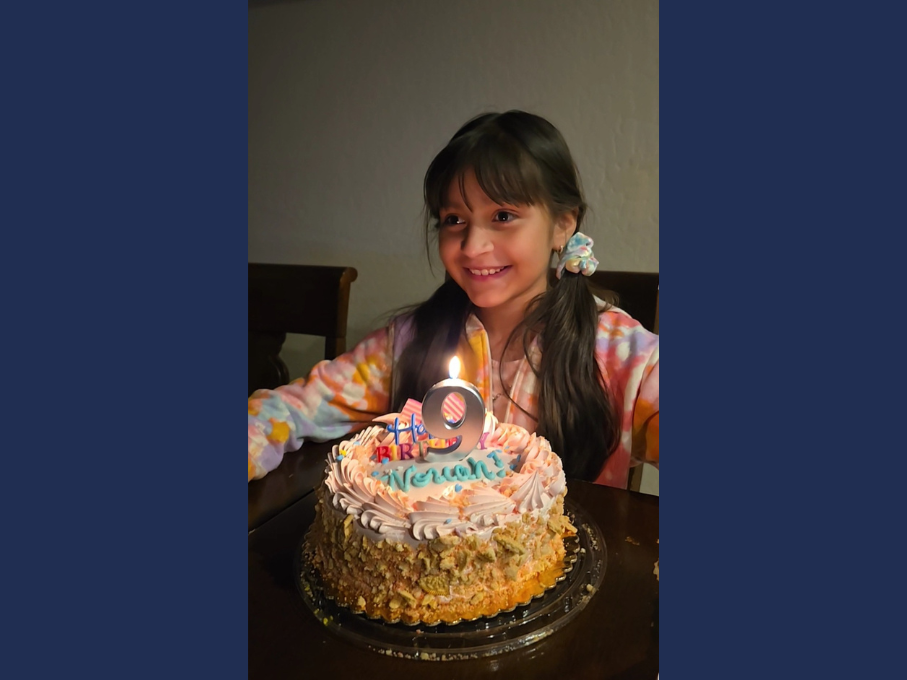
Noriah is now 10 years old. While she faithfully attends yearly or twice-yearly checkups at Phoenix Children’s with her pediatric cardiologist, Deepti Bhat, MD, Noriah’s main focus is simply being a kid.
“She understands her heart condition,” Laura explained. “We’ve always told her about it. She wants to be active, but she can show signs of getting tired because of her condition. Even then, though, it doesn’t stop her from being who she is.”
Noriah is “60% girly-girl and 40% tough girl,” Laura said. “She’s so independent and is a straight-A student. She acts like she’s our oldest – like she’s 10 going on 15.”
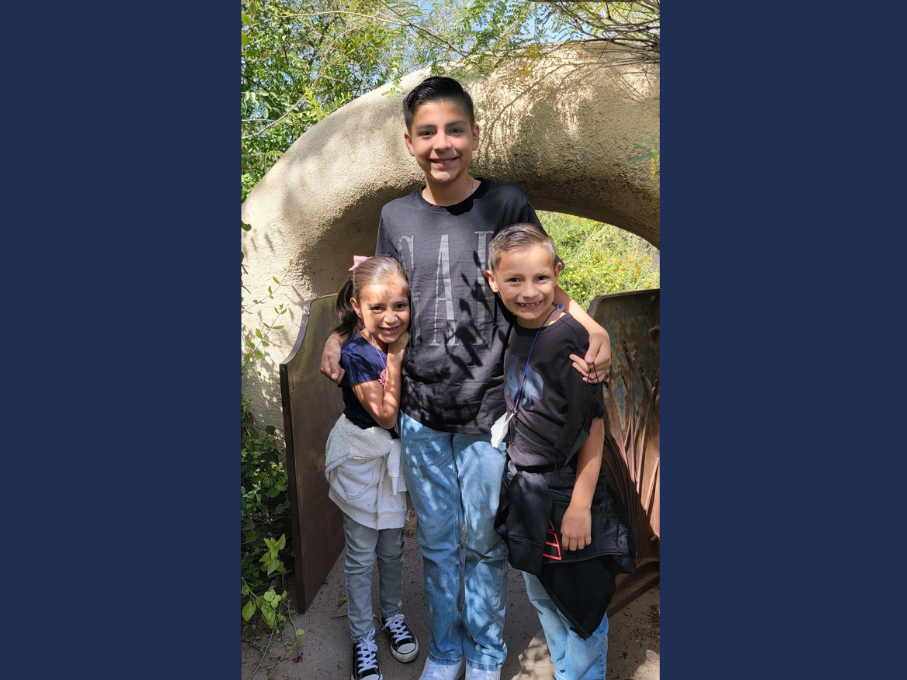
Right now, Noriah is active in dance and cheer and she loves drawing and listening to music, Laura said. What Noriah really wants, though, is to play soccer like her two older brothers: Josiah, 15, and Noah, 12.
“As a mom, you want your little girl to do everything she wants, but I worry about soccer with her because it requires so much running,” Laura shared.
Recently, Noriah’s echocardiograms have shown that her heart is dilated, which can happen with TOF. For that reason, Noriah is having more frequent stress tests to see if she’ll need her next surgery sooner rather than later. The good news is that after Noriah has adult-sized, artificial heart valves placed, soccer may be an option.
“She has no other issues besides the dilation of her heart,” Laura said. “Dr. Bhat always talks about how impressed with Noriah she is because she’s so healthy and active otherwise.”
No matter what comes next, Laura and Gabriel know their daughter is in good hands.
“They’ve treated us very well [at Phoenix Children’s],” Laura said. “It’s so nice that the doctors remember you when they see so many patients. They recognize my daughter and remember who she is. We couldn’t be more thankful to have Noriah in the right place with the best doctors.”
Learn more about the expert heart care at Phoenix Children’s Center for Heart Care, a place that helps kids like Noriah thrive.