

NSGR - Autism Spectrum Disorder: Theories, Treatment, and Tips
About the presenters:
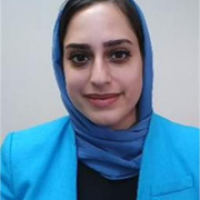
Yasaman Movahedi
Pediatric Psychology Intern
Phoenix Children’s
Yasaman Movahedi is a pediatric psychology intern at Phoenix Children’s Hospital. She is currently a doctoral candidate at Palo Alto University, where she specializes in Pediatric Behavioral Integrated Healthcare.
Yasaman is passionate about supporting children and adolescents facing mental health challenges. She takes a client-centered approach to therapy and incorporates evidence-based interventions to help youth and their families make meaningful progress toward their therapeutic goals.
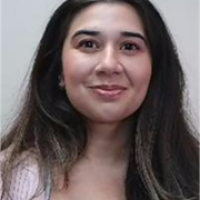
Deanna Aghbashian
PhD doctoral candidate
Pediatric Neuropsychology Intern Phoenix Children’s
Deanna Aghbashian is a PhD doctoral candidate at Loma Linda University, with a specialization in pediatric neuropsychology. She is currently completing her pediatric neuropsychology internship at Phoenix Children’s Hospital. Her clinical training has also included neuropsychology placements at the University of California, Irvine and Children’s Hospital Los Angeles, where she worked with medically complex pediatric populations.
Ms. Aghbashian’s research focuses on the neural mechanisms underlying social cognition in youth with early-onset psychosis and autism; with additional focus on the effects of childhood trauma in early-onset psychosis. Her broader clinical and research interests center on applying neuropsychological principles to understand brain–behavior relationships in pediatric medical populations and improving functional outcomes through interdisciplinary care. Prior to pursuing her doctoral training, she practiced as a Licensed Clinical Social Worker, providing trauma-informed psychotherapy and crisis assessment to adolescents and adults.