
Global Menu
  • Urgent Care Scheduling & ER Wait Times
  • Patient Portal
  • Pay a Bill
  • Careers
  • Donate
Phoenix Children's Hospital Phoenix Children's Hospital
Main Navigation (Top)
Schedule an Appointment Find a Doctor Find a Location Find a Specialty
Search Phoenix Children's
Popular Links
Urgent Care Scheduling & ER Wait Times Patient Portal Pay a Bill Find a Doctor Locations Specialties & Conditions For Healthcare Professionals Careers
Main Navigation (Top)
Schedule an Appointment Find a Doctor Find a Location Find a Specialty
Hamburger Main
Patient & Visitor Information
Visitor Protocol
Planning Your Visit
Planning Your Stay
After Your Visit
Imaging & Radiology
Patient & Family Services
Support Programs
Educational Resources
Specialties & Conditions
Specialties
Services
Conditions
Pediatric Primary Care
Phoenix Children's Pediatrics
Primary & Complex Care
Phoenix Children's Care Network (PCCN)
Articles and FAQs
News
Blog
Patient Stories
FAQs
Research
Programs & Services
Research Areas of Focus
News & Innovation
Find a Research Study
For Healthcare Professionals
Patient Referrals
Clinical Pathways
Continuing Medical Education (CME)
Medical Education
Medical Staff
Nursing
Phoenix Children's Care Network (PCCN)
About Us
Awards & Recognition
Careers
Contact
Events - Healthcare Professionals
Healthcare Outreach
History of Phoenix Children's
Leadership Team
Newsroom - Media Guidelines
Phoenix Children’s Hospital Foundation
Ways to Help
Main Navigation (Bottom)
Patient Family Healthcare Professional Career Seeker
Urgent Care Scheduling & ER Wait Times Patient Portal Pay a Bill Request Medical Records Refer a Patient Donate Careers

Search Results

  • All
  • Services
  • Conditions
  • Doctors
  • Locations
  • Articles
2471-2480 of 3038 Results Found
Condition
Fever in Children
Fever in Children What is a fever? Most healthcare providers define a fever as a temperature of 100.4°F (38°C) or higher when taken rectally or 100°F (37.8°C) or higher when taken by mouth. You might get slightly different numbers depending on how you take your child's
Condition
Staying Healthy After Menopause
Staying Healthy After Menopause The key to staying youthful and active after menopause is good nutrition and regular physical activity. Nutrition after menopause As you age, your nutritional needs change. Before menopause, you should have about 1,000 mg of calcium daily. After
Condition
Overview of Diabetes Complications
Overview of Diabetes Complications What complications are linked to diabetes? Complications linked to diabetes may include: Heart disease. This is often caused by an extra buildup of plaque on the inner wall of a blood vessel (atherosclerosis). The plaque buildup limits blood
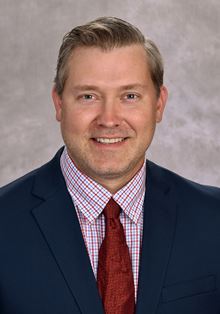
Doctor
Justin B.L. Halls, MD
Specialties
  • Pathology
Justin B.L. Halls, MD
Condition
Understanding Risks of A Multiple Pregnancy
Understanding Risks of a Multiple Pregnancy Why is a multiple pregnancy a concern? A multiple pregnancy means being pregnant with more than one baby. It is often a happy event for many couples. But multiple pregnancy has higher risks for complications. The most common problems
CME Session
Epilepsy Clinical Conference
This is a weekly patient care and educational conference that has existed for the Barrow Neurological Institute Pediatric Epilepsy Program since 1991. As identified by the National Institute of Medicine, there is a continuing treatment gap for evidence-based specialized care for
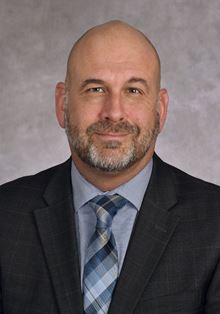
Doctor
A. Brian Mochon, PhD
Medical Director, Clinical Microbiology
Specialties
  • Pathology
A. Brian Mochon, PhD
Condition
Preventing Sports Injuries
Preventing Sports Injuries Exercise is good for the body. And with the correct safety steps, sports injuries can often be prevented. The quality of protective equipment—padding, helmets, shoes, mouth guards—has helped to improve safety in sports. But you can still be at risk of
Condition
Benign Skin Growths
Benign Skin Growths What are benign skin growths? Skin changes as you grow older and are exposed to sunlight, health conditions, trauma, and other environmental changes. Most people have some skin marks, such as freckles and moles. These may multiply or darken over time. Benign
Service
Multimodal Monitoring
Phoenix Children’s is one of a small number of centers in the United States that have integrated intensive care multimodal monitoring (MMM) into our patient care, setting us apart from other neurocritical care programs across the U.S. Advanced neurocritical care monitoring is

Pagination

  • Previous page
    Prev
  • First page 1
  • …
  • Page 247
  • Current page 248
  • Page 249
  • …
  • Last page 304
  • Next page
    Next
Phoenix Children's Hospital
Footer
  • Contact Us
  • Scheduling: 602-933-5437
  • Phone Directory
  • About Us
Footer Right
  • Careers
  • Bright Futures Blog
  • Price Transparency
  • Phoenix Children’s Foundation
©2026 

Phoenix Children's. All Rights Reserved. | Our Policies

USNWR Badge
Picture of a cactus with sun and clouds