Global Menu
  • Urgent Care Scheduling & ER Wait Times
  • Patient Portal
  • Pay a Bill
  • Careers
  • Donate
Phoenix Children's Hospital Phoenix Children's Hospital
Main Navigation (Top)
Schedule an Appointment Find a Doctor Find a Location Find a Specialty
Search Phoenix Children's
Popular Links
Urgent Care Scheduling & ER Wait Times Patient Portal Pay a Bill Find a Doctor Locations Specialties & Conditions For Healthcare Professionals Careers
Main Navigation (Top)
Schedule an Appointment Find a Doctor Find a Location Find a Specialty
Hamburger Main
Patient & Visitor Information
Visitor Protocol
Planning Your Visit
Planning Your Stay
After Your Visit
Imaging & Radiology
Patient & Family Services
Support Programs
Educational Resources
Specialties & Conditions
Specialties
Services
Conditions
Pediatric Primary Care
Phoenix Children's Pediatrics
Primary & Complex Care
Phoenix Children's Care Network (PCCN)
Articles and FAQs
News
Blog
Patient Stories
FAQs
Research
Programs & Services
Research Areas of Focus
News & Innovation
Find a Research Study
For Healthcare Professionals
Patient Referrals
Clinical Pathways
Continuing Medical Education (CME)
Medical Education
Medical Staff
Nursing
Phoenix Children's Care Network (PCCN)
About Us
Awards & Recognition
Careers
Contact
Events - Healthcare Professionals
Healthcare Outreach
History of Phoenix Children's
Leadership Team
Newsroom - Media Guidelines
Phoenix Children’s Hospital Foundation
Ways to Help
Main Navigation (Bottom)
Patient Family Healthcare Professional Career Seeker
Urgent Care Scheduling & ER Wait Times Patient Portal Pay a Bill Request Medical Records Refer a Patient Donate Careers

Search Results

  • All
  • Services
  • Conditions
  • Doctors
  • Locations
  • Articles
2181-2190 of 3044 Results Found
CME Session
NSGR - Neuropsychological Functioning in Children - Aimee Hammer, PhD
Presenter: Aimee Hammer, PhD Neuropsychologist Barrow Neurological Institute at Phoenix Children’s Learning Objectives: Describe common types of craniosynostosis. Discuss the neurodevelopmental outcomes of syndromic and non-syndromic craniosynostosis in children. Describe
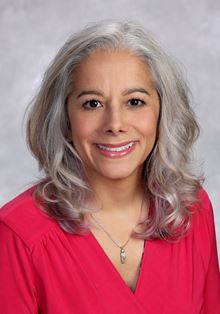
Doctor
Sara V. Kertz, DO
4.8 / 5
Specialties
  • Phoenix Children's Pediatrics
  • Primary Care
Sara V. Kertz, DO
Doctor
Stephanie L. Lesser, PNP
4.8 / 5
Specialties
  • Otolaryngology
Stephanie L. Lesser, PNP
Programs & Services
We believe we're stronger together. Our exceptional team consists of endocrinology physicians, certified diabetes educator nurses and dietitians, and psychologists. Together, we offer patients: Innovations in care and research, including management of insulin pumps and continuous
CME Session
NSGR - Orthognathic Surgery and Temporomandibular Joint Disorder - Jared Gilliland, DDS
Presenter: Jared Gilliland, DDS, Oral & Maxillofacial Surgery, Phoenix Children's At the end of this presentation, participants should be able to: Know the available surgical procedures for patients with skeletal malocclusion and temporomandibular joint disorders Understand
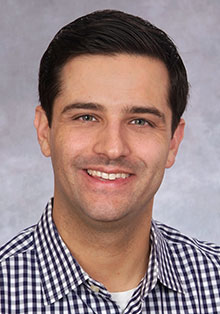
Doctor
Christopher M. Fecarotta, MD
4.6 / 5
Specialties
  • Ophthalmology
Christopher M. Fecarotta, MD
CME Session
PCH - Newborn screening and Inborn Errors in Metabolism - Dr. Shagun Kaur
Overall Activity Objectives: Implement appropriate strategies for diagnosing pediatric conditions. Evaluate and implement appropriate, current treatment options vis a vis emerging therapeutics. Implement in practice developing areas of research and evidence-based recommendations
Agenda
Welcome to the EMS and Prehospital Care Conference, where experts in the field of pediatric emergency and trauma care gather to exchange knowledge, nurture collaboration, and propel advancements in the care of our youngest patients. As we convene once again in Arizona, we
Conditions We Treat
Acute brain injuries can occur in a number of situations such as trauma, stroke, infection, cardiac arrest or coma from a wide spectrum of medical conditions. Multimodal monitoring enables us to collect and integrate numerous points of patient data non-invasively to detect
Conditions We Treat
Extracorporeal Membrane Oxygenation (ECMO) is a special therapy for patients with respiratory and/or heart disease who do not respond to other forms of medical treatment. ECMO is not a cure for the underlying cause of cardiac or respiratory failure. It is designed to provide

Pagination

  • Previous page
    Prev
  • First page 1
  • …
  • Page 218
  • Current page 219
  • Page 220
  • …
  • Last page 305
  • Next page
    Next
Phoenix Children's Hospital
Footer
  • Contact Us
  • Scheduling: 602-933-5437
  • Phone Directory
  • About Us
Footer Right
  • Careers
  • Bright Futures Blog
  • Price Transparency
  • Phoenix Children’s Foundation
©2026 

Phoenix Children's. All Rights Reserved. | Our Policies

USNWR Badge
Picture of a cactus with sun and clouds