

971-980 of 3323 Results Found
Condition
Cystic Fibrosis Overview What is cystic fibrosis? Cystic fibrosis (CF) is an inherited disease of the glands that make mucus and sweat. People with CF get a defective gene from both parents. People who have one defective gene from one parent are called carriers. They don't have
CME Session
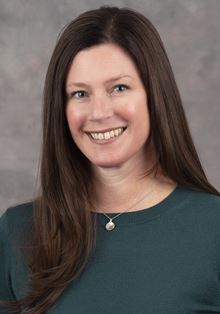
PCH - Phoenix Children's Grand Rounds - Hold the Toast!! Ketogenic Therapies for Epilepsy and Beyond - Randa Jarrar, MD, Christi Wheeler, RD, and Lisa Vanetta, RD
At the end of this presentation, participants should be able to: 1. Understand the macronutrient breakdown of ketogenic therapies, potential mechanisms of action, and efficacy in seizure management. 2. Recognize and effectively manage common side effects of ketogenic therapy. 3
Condition
Hypoparathyroidism in Children What is hypoparathyroidism in children? Hypoparathyroidism is when the parathyroid glands don’t make enough parathyroid hormone. The parathyroid glands are 4 tiny glands on the back of the thyroid gland. The hormone they make helps manage levels of
Condition
Uniparental Disomy: Prader-Willi Syndrome and Angelman Syndrome What is uniparental disomy? Chromosome pairs affect how our body works. Normally, a baby gets 1 copy of each chromosome pair from each parent. This means 1 copy from the genetic mother, and the other copy from the
Condition
Beta Thalassemia in Children What is beta thalassemia in children? Beta thalassemia is an inherited blood disorder. This means it's passed down through a parent’s genes. It's a form of anemia. Anemia is a low red blood cell or low hemoglobin level. Hemoglobin is part of red blood
Condition
Contact Dermatitis What is contact dermatitis? Contact dermatitis is a reaction that happens after your skin comes in direct contact with certain substances. The substances may be: Irritants. These cause direct skin irritation and inflammation. They are the most common cause of

Condition
Melanoma: Diagnosis If your healthcare provider thinks you might have melanoma, you will likely need certain exams and tests to be sure. Diagnosing melanoma starts with your healthcare provider asking you questions. They will ask you about your health history, your symptoms, risk