2041-2050 of 2960 Results Found

Service,
Specialty
When a child is injured, they need the best care possible. At Phoenix Children’s, we’ve built a trauma program that meets every child’s needs, no matter where you live in Arizona or how severe the injury. From neurosurgery and cardiology to orthopedics and rehabilitation, we have
Conditions We Treat
The pediatric pulmonology team at Phoenix Children's treats children with all conditions affecting the lungs. Allergic bronchopulmonary aspergillosis: This condition is caused by a severe allergic reaction to a common fungus called aspergillus. Apnea/apnea of prematurity Asthma
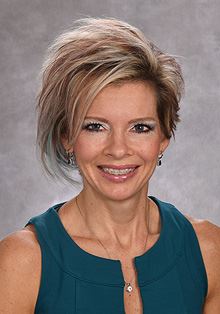
Meet the Director
Dear potential trainees, We are excited to welcome you to learn more about the training opportunities available at Barrow Neurological Institute at Phoenix Children's. Barrow Neurological Institute at Phoenix Children's is ranked among the top children’s hospitals in the country
Salary & Benefits
Stipend and Benefits Benefits include but are not limited to: Stipend of $60,979 10 Paid Time Off (PTO) days per year 6 Paid Holidays per year 2 Wellness half-days per quarter 2 Travel days per year for conference attendance 2 Travel days per year for job interviewing $2,500 CME
Salary & Benefits
Stipend and Benefits Benefits include but are not limited to: Stipend of $40,814 10 Paid Time Off (PTO) days per year 6 Paid Holidays per year 2 Wellness half-days per quarter 2 Travel days per year for conference attendance 2 Travel days per year for job/fellowship interviewing