

1291-1300 of 3630 Results Found
Wait Times
Urgent Care Schedule Ahead Appointments are Coming Soon Phoenix Children’s will soon be offering same-day schedule ahead urgent care appointments. Please see our FAQs page to learn more. Note: If your child is experiencing a life-threatening emergency, call 911 immediately. Below
Pediatric Clinical Neurophysiology Fellowship
The mission of our Pediatric Clinical Neurophysiology Fellowship Program is to produce the next generation of pediatric clinical neurophysiologists. Our ACGME-accredited, 1-year clinical fellowship provides training in electroencephalography (EEG), nerve conduction studies and
Planning Your Visit
We are here to do everything possible to make sure you and your child feel included, safe and comfortable. We consider you and your child essential members of the healthcare team. Please ask us questions about your child's visit at any time. This section helps you prepare to make
Toy Donations for Child Life
Child Life at Phoenix Children’s depends on generous support from the community. Whether you donate a toy, book or another item from our wish list, or donate money, every contribution helps patients and families during their hospital stays. Make a donation online
Meet Your Team
At the Eosinophilic Gastrointestinal Disease (EGID) Clinic, experts in pediatric gastroenterology, allergy/immunology and nutrition provide one-stop multidisciplinary care to help children with this disease. Our providers communicate with one another about your child’s treatment
Internet & Phones
During your hospital stay, we make it easy to stay in contact with family and friends. Both our Phoenix Children’s Hospital – Thomas Campus and Phoenix Children’s Hospital – Arrowhead Campus have internet connections and other tools to help you communicate with others.
Responsive Neurostimulation (RNS)
If your child has tried two anti-seizure medications, and is still having seizures, they may have drug-resistant epilepsy. According to the Institute of Medicine, about 800,000 Americans experience seizures despite taking anti-seizure medications. In fact, after trying two
CME Session
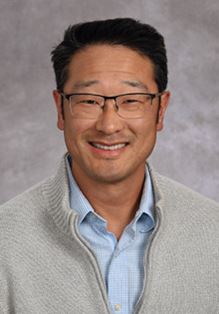
PCH - Mitochondrial Diseases: An Overview of Clinical Phenotypes and Treatment Landscape - Jennifer Yang, MD (Rady Children’s Hospital - San Diego, CA)
At the end of this presentation, participants should be able to: Recognize the most common clinical presentation of mitochondrial disease in children and adults Describe the diagnostic considerations for mitochondrial disease Understand the current treatment approaches and