Global Menu
  • Urgent Care Scheduling & ER Wait Times
  • Patient Portal
  • Pay a Bill
  • Careers
  • Donate
Phoenix Children's Hospital Phoenix Children's Hospital
Main Navigation (Top)
Schedule an Appointment Find a Doctor Find a Location Find a Specialty
Search Phoenix Children's
Popular Links
Urgent Care Scheduling & ER Wait Times Patient Portal Pay a Bill Find a Doctor Locations Specialties & Conditions For Healthcare Professionals Careers
Main Navigation (Top)
Schedule an Appointment Find a Doctor Find a Location Find a Specialty
Hamburger Main
Patient & Visitor Information
Visitor Protocol
Planning Your Visit
Planning Your Stay
After Your Visit
Imaging & Radiology
Patient & Family Services
Support Programs
Educational Resources
Specialties & Conditions
Specialties
Services
Conditions
Pediatric Primary Care
Phoenix Children's Pediatrics
Primary & Complex Care
Phoenix Children's Care Network (PCCN)
Articles and FAQs
News
Blog
Patient Stories
FAQs
Research
Programs & Services
Research Areas of Focus
News & Innovation
Find a Research Study
For Healthcare Professionals
Patient Referrals
Clinical Pathways
Continuing Medical Education (CME)
Medical Education
Medical Staff
Nursing
Phoenix Children's Care Network (PCCN)
About Us
Awards & Recognition
Careers
Contact
Events - Healthcare Professionals
Healthcare Outreach
History of Phoenix Children's
Leadership Team
Newsroom - Media Guidelines
Phoenix Children’s Hospital Foundation
Ways to Help
Main Navigation (Bottom)
Patient Family Healthcare Professional Career Seeker
Urgent Care Scheduling & ER Wait Times Patient Portal Pay a Bill Request Medical Records Refer a Patient Donate Careers

Search Results

  • All
  • Services
  • Conditions
  • Doctors
  • Locations
  • Articles
661-670 of 3456 Results Found
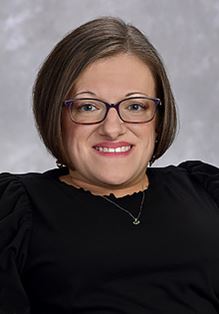
Doctor
Pamela S.W. Smith, MD
4.8 / 5
Specialties
  • Endocrinology
Pamela S.W. Smith, MD
Epilepsy Surgery
At the Barrow Neurological Institute at Phoenix Children’s, we believe that early consideration of surgery or other appropriate therapies should be considered for children with intractable epilepsy. Unfortunately, fewer than 1% of these children are evaluated for epilepsy surgery
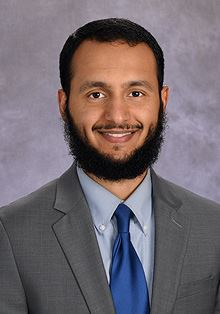
Doctor
Kamran Ahmed, MD
4.6 / 5
Specialties
  • Ophthalmology
Kamran  Ahmed, MD
Eating Disorder Services
Supporting Adolescents with Eating Disorders We help adolescents who are dealing with an eating disorder, such as anorexia nervosa and bulimia nervosa, build a healthier relationship with food, their bodies and themselves through expert care. Our adolescent medicine physicians
The Emily Center
When a loved one is diagnosed with an illness or health concern, you need clear, reliable information. The Emily Center at Phoenix Children’s is a place you can go for answers to your health-related questions. We provide personalized health information, patient education, support
Appointments - Outpatient
Preparing for your arrival at Phoenix Children's often takes time and planning. The following areas will help you to start thinking about your visit: Billing & financial assistance — We understand that medical bills can be a concern, and we’d like to help by providing information
Condition
Skin Cancer in Children
Skin Cancer in Children What is skin cancer in children? Skin cancer is a type of cancer that starts in the cells of the skin. It can spread to and damage nearby tissue. Over time, it can spread to other parts of the body. Skin cancer is very rare in children. What causes skin
Condition
Epilepsy and Seizures in Children
Epilepsy and Seizures in Children What is epilepsy in children? Epilepsy is a brain condition that causes a child to have recurring seizures over time. These seizures can't be linked to a short-term (acute) illness such as an infection or a short-term injury such as a brain
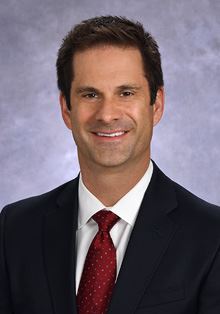
Doctor
Christopher L. Lindblade, MD
Medical Director, Fetal Cardiology Program; Program Director, Fourth Year Advanced Noninvasive Cardiac Imaging Fellowship
4.9 / 5
Specialties
  • Cardiology
Christopher L. Lindblade, MD
Vagus Nerve Stimulation (VNS)
A Vagus Nerve Stimulation (VNS) is a device used to treat seizures when medicines are not effective and surgery is not possible for a cure. VNS consists of a pacemaker-like generator placed underneath the skin on the chest and is attached to thin wires threaded up to, and wrapped

Pagination

  • Previous page
    Prev
  • First page 1
  • …
  • Page 66
  • Current page 67
  • Page 68
  • …
  • Last page 346
  • Next page
    Next
Phoenix Children's Hospital
Footer
  • Contact Us
  • Scheduling: 602-933-5437
  • Phone Directory
  • About Us
Footer Right
  • Careers
  • Bright Futures Blog
  • Price Transparency
  • Phoenix Children’s Foundation
©2026 

Phoenix Children's. All Rights Reserved. | Our Policies

USNWR Badge
Picture of a cactus with sun and clouds