If you had asked Payton eight years ago whether she’d one day live on her own, she would have told you it wasn’t possible.
At the time, Payton was a teenager dealing with constant chest pain that overshadowed nearly every part of her life. She relied on support from her parents and close friends just to get through the day – and on powerful medications to sleep. She’d been born with a congenital heart defect and developed chest wall complications at a young age. In fact, she’d undergone multiple heart procedures before she turned 2.
When she was 10, Payton had her first chest wall reconstruction surgery. At first, it seemed to work.
However, once she hit adolescence, Payton’s chest pain worsened again, and she started noticing popping and clicking sensations in her ribs.
Still, despite seeking help from specialists across the country, Payton couldn’t find any answers.
“Some doctors would write me off as being dramatic or just looking for pain medication,” she said. “Others said it was my hormones. Most told me it was something I’d have to live with.”
All Payton knew was that nothing was working, and her pain and quality of life kept getting worse.
“I was exhausted and defeated,” she said. “I knew something wasn’t right, but I kept being told that it was something else – or that it was all in my head. I just wanted someone to listen to me and believe me.”
Finding validation at Phoenix Children’s
In 2018, just after graduating from high school, Payton was searching for answers online when she came across a video by Lisa McMahon, MD, a pediatric surgeon and director of Phoenix Children’s Chest Wall Pectus Clinic. In the video, Dr. McMahon described a condition called slipping rib syndrome, which occurs when the lower cartilages in the chest don’t connect properly, allowing some ribs to move and slide against each other.
“I remember just breaking down crying in the car and telling my mom that I’d finally found out what was going on with me,” Payton said.
Payton and her mom “dropped everything” to travel from their home in Fort Worth, Texas, to Phoenix Children’s, where she had a dynamic ultrasound. This specialized imaging study allows doctors to see rib movement in real time.
“It was the first time someone could actually see what was happening,” Payton said. “They told me, ‘Your pain is real.’ That changed everything.”
Expert care for complex chest wall conditions
Phoenix Children’s Pectus Center specializes in diagnosing and treating complex chest conditions, including slipping rib syndrome, pectus excavatum and other chest wall deformities.
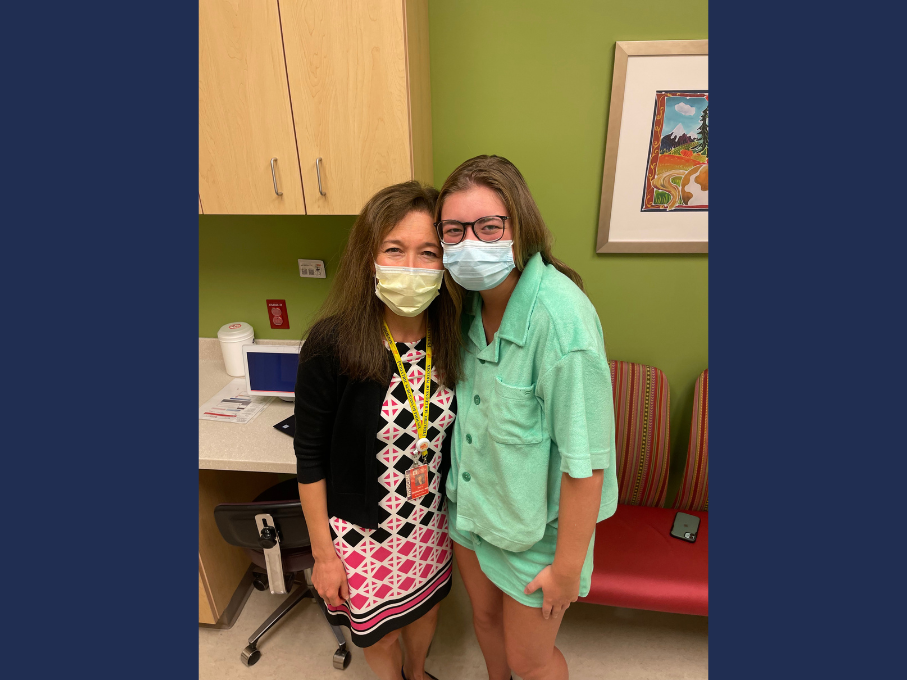
Dr. McMahon evaluated Payton and diagnosed slipping rib syndrome. She also determined that, in Payton’s case, the condition was affecting several ribs and would require extensive repair surgery.
“Payton’s condition was very complex,” Dr. McMahon said. “She had many things going on with her chest wall and her anatomy. We wanted to ensure that whatever we did was right for her.”
Because Payton was experiencing chronic pain, Dr. McMahon brought in Sean Gamble, MD, a pediatric anesthesiologist and pain management physician, as part of Payton’s care team. Dr. Gamble performed a pre-surgical nerve ablation – a procedure to destroy specific nerves responsible for causing pain.’
“Dr. Gamble walked me through everything in a way that made me feel seen and heard,” Payton said.
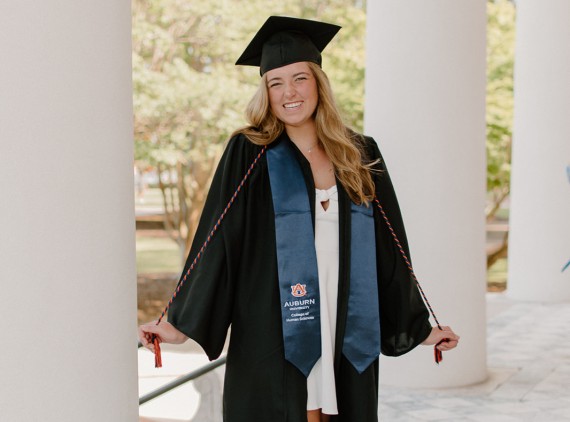
After recovering from surgery, Payton’s life noticeably improved. She was able to work out again and return to school out of state – at Auburn University in Alabama. “It felt like I could finally live my life the way I wanted to, and not the way my pain was telling me I could,” she said.
Although Payton experienced setbacks – including a car accident her senior year of college that required additional surgeries and another chest wall reconstruction recently due to worsening mitral valve regurgitation – Dr. McMahon always had answers and provided a path forward.
“There was never a period with Dr. McMahon where she questioned my pain or what I was going through,” Payton said. “She always validated me. That was something I never had before.”
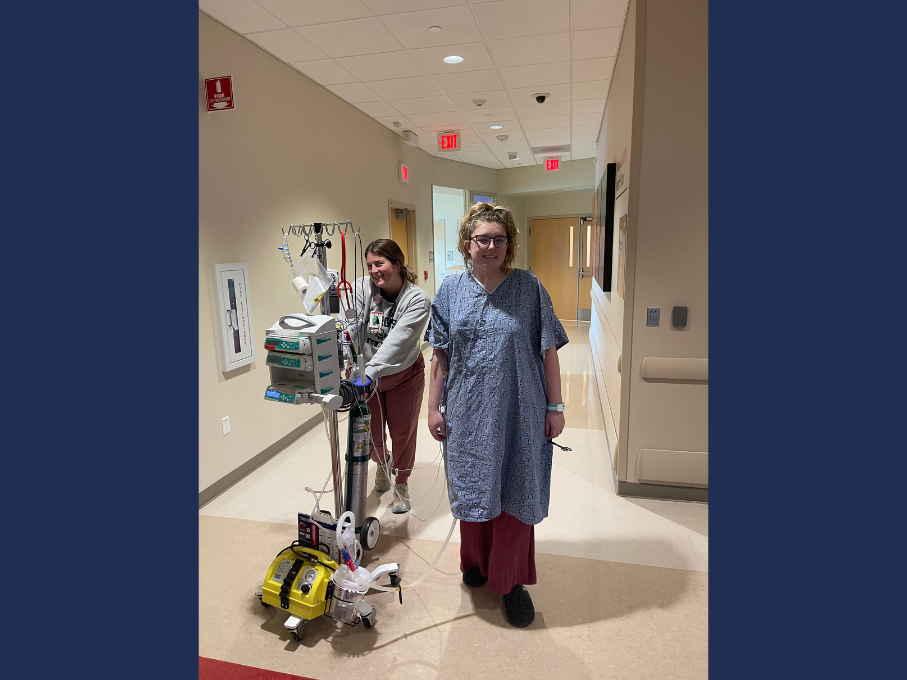
To help ensure Payton received coordinated care at Phoenix Children’s, Dr. McMahon brought in Mohamad Alaeddine, MD, a pediatric cardiothoracic surgeon, to perform her open-heart surgery for mitral valve regurgitation. A week later, Dr. McMahon performed the chest wall reconstruction procedure. Dr. Gamble was involved throughout the entire process.
“They looked at the full picture,” Payton said. “Instead of fixing one thing at a time, they worked together to give me the best chance at a better life.”
A future shaped by hope
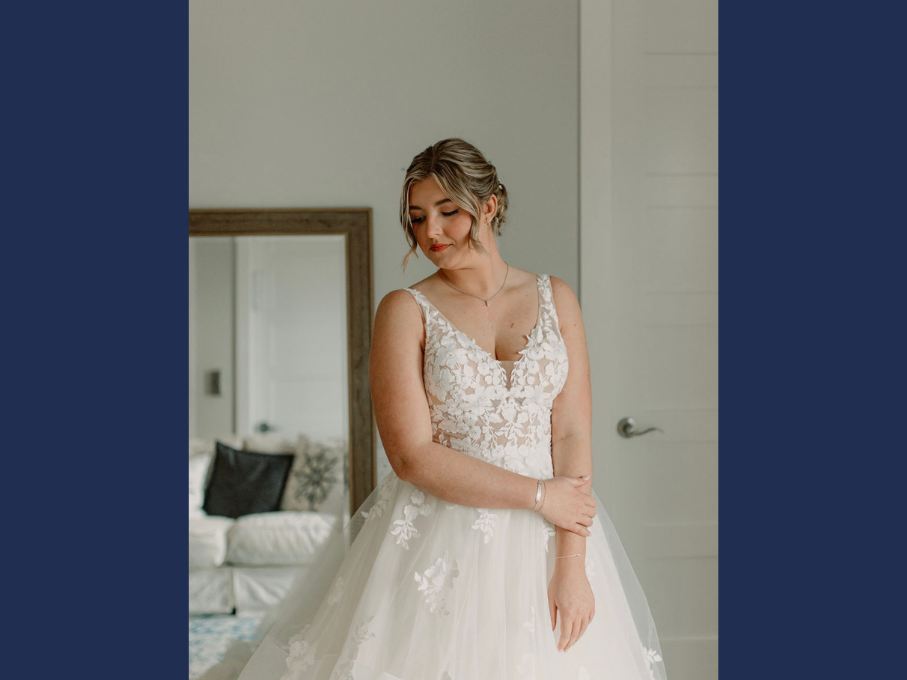
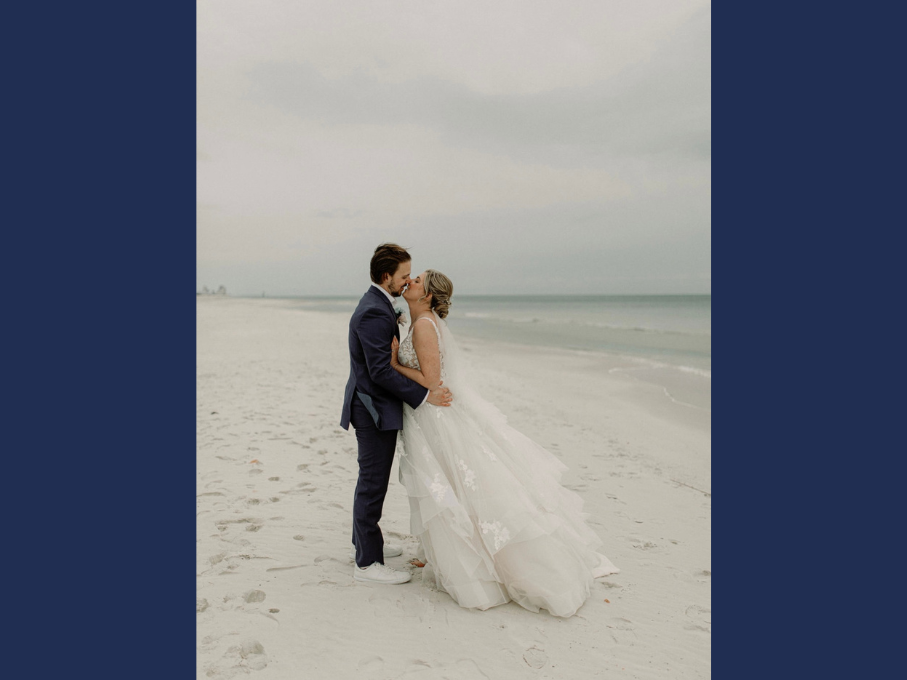
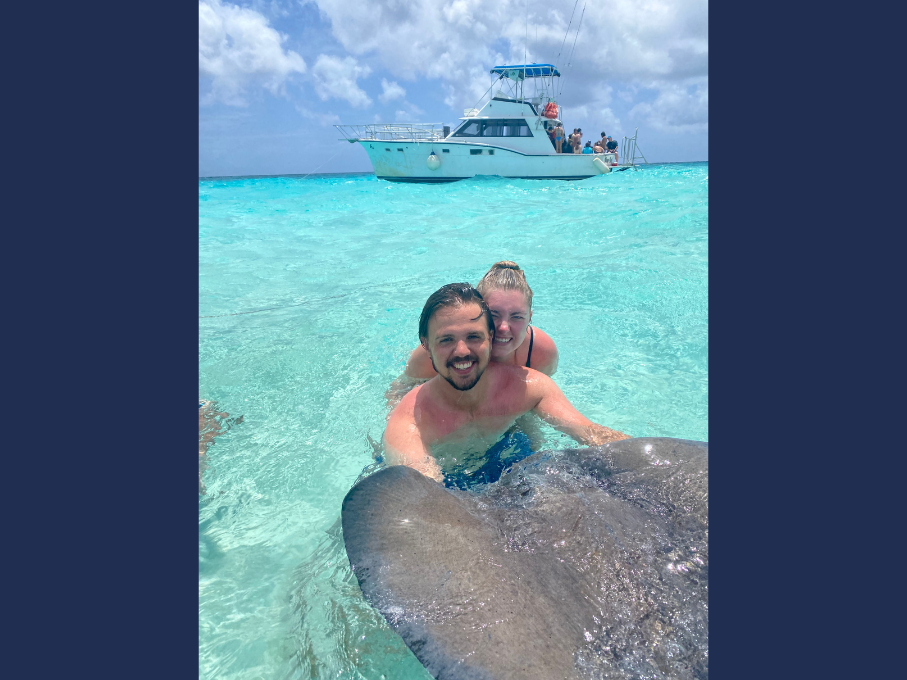
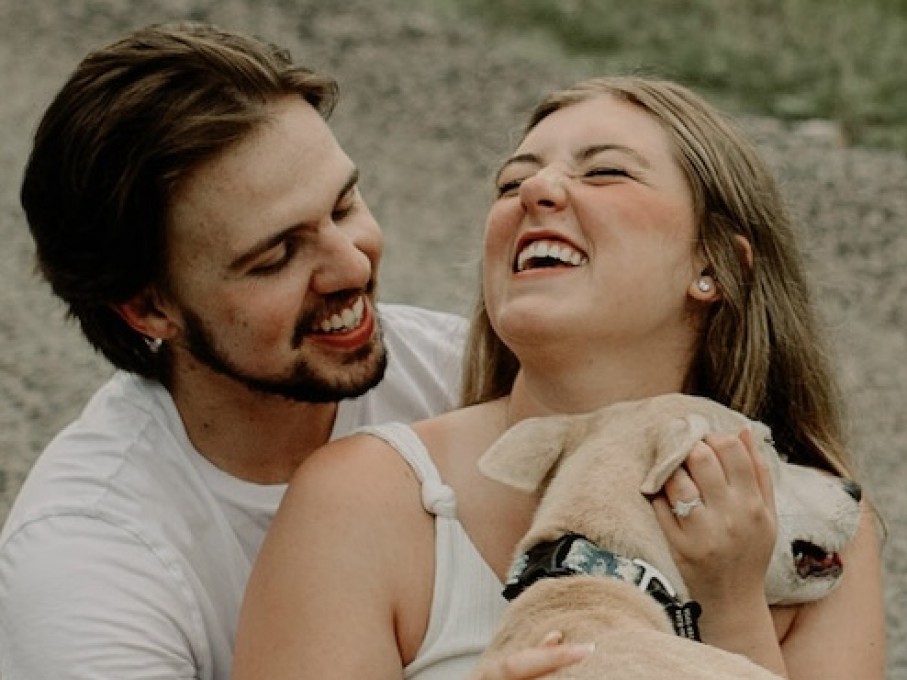
Now home in Texas with her husband, Nathan, and their two dogs, Payton attends cardiac and physical rehabilitation sessions five days a week and continues to make steady progress. While she still manages nerve pain, she has no activity restrictions and is focused on living a full and happy life.
“I would take a few months of hard work to get better over a lifetime of pain,” she said. “Phoenix Children’s gave me that chance.”
Dr. McMahon hopes Payton’s story will help other people living with a condition like slipping rib syndrome advocate for themselves.
“Slipping rib syndrome often goes untreated and undiagnosed,” she said. “People don’t always get the care they need because many doctors don’t know what it is or how to treat it. That’s why you should always do everything you can to be heard. Keep asking questions, even if you don’t get an answer at first, because there is probably an answer out there.”