1841-1850 of 4112 Results Found
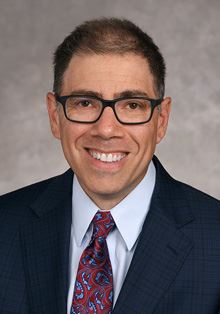
Doctor
Gregory C. Martin, MD
Division Chief, Neonatology; Bill and Cathy Hudson Endowed Chair in Neonatology
Specialties
Article
Sun, Splash & Safe Play: An Arizona Parent’s Guide to Spring & Summer Fun
Spring and summer in Arizona mean blue skies, blooming cacti and kids who really want to be outside. From early-morning park runs to backyard water battles, this is prime time for outdoor fun. But let’s be honest—Arizona heat doesn’t play around. The good news? With a few smart

Service
HIV (human immunodeficiency virus) is a virus that attacks the immune system, which helps the body fight infections. As a result, those infected with HIV become more vulnerable to various infections and diseases. It is spread by contact with the bodily fluids of a person with HIV
Meet the VPI-OPS Team
VPI-OPS is a collaboration of surgeons, speech-language pathologists, and researchers from more than 13 hospitals and clinics in the United States and Canada. The study is led by a team of researchers at Phoenix Children’s who are responsible for making sure the study is run
Language Assistance
ATTENTION: If you speak a language other than English, you have free language assistance services at your disposal. Call 602-933-1000. Phoenix Children's Hospital complies with applicable federal civil rights laws and does not discriminate on the basis of race, color, country of
Curriculum
The Medical Genetics and Genomics Residency Program is a two-year residency program providing rotations in inpatient Genetics, cytogenetics, biochemical/molecular, and molecular genetics lab, prenatal, adult genetics, as well as dedicated blocks for research. MGG continuity
Conditions We Treat
Our Neuro-Oncology Program team treats a lot of conditions, including: Medulloblastoma Primitive Neuro-Ectodermal Tumors (sPNET) Ependymoma All grades of Astrocytoma Pilocytic Anaplastic Astrocytoma Glioblastoma Multiforme Optic Pathway Diffuse Intrinsic Pontine Glioma Atypical
Conditions We Treat
Acute brain injuries can occur in a number of situations such as trauma, stroke, infection, cardiac arrest or coma from a wide spectrum of medical conditions. Multimodal monitoring enables us to collect and integrate numerous points of patient data non-invasively to detect