Global Menu
  • Urgent Care Scheduling & ER Wait Times
  • Patient Portal
  • Pay a Bill
  • Careers
  • Donate
Phoenix Children's Hospital Phoenix Children's Hospital
Main Navigation (Top)
Schedule an Appointment Find a Doctor Find a Location Find a Specialty
Search Phoenix Children's
Popular Links
Urgent Care Scheduling & ER Wait Times Patient Portal Pay a Bill Find a Doctor Locations Specialties & Conditions For Healthcare Professionals Careers
Main Navigation (Top)
Schedule an Appointment Find a Doctor Find a Location Find a Specialty
Hamburger Main
Patient & Visitor Information
Visitor Protocol
Planning Your Visit
Planning Your Stay
After Your Visit
Imaging & Radiology
Patient & Family Services
Support Programs
Educational Resources
Specialties & Conditions
Specialties
Services
Conditions
Pediatric Primary Care
Phoenix Children's Pediatrics
Primary & Complex Care
Phoenix Children's Care Network (PCCN)
Articles and FAQs
News
Blog
Patient Stories
FAQs
Research
Programs & Services
Research Areas of Focus
News & Innovation
Find a Research Study
For Healthcare Professionals
Patient Referrals
Clinical Pathways
Continuing Medical Education (CME)
Medical Education
Medical Staff
Nursing
Phoenix Children's Care Network (PCCN)
About Us
Awards & Recognition
Careers
Contact
Events - Healthcare Professionals
Healthcare Outreach
History of Phoenix Children's
Leadership Team
Newsroom - Media Guidelines
Phoenix Children’s Hospital Foundation
Ways to Help
Main Navigation (Bottom)
Patient Family Healthcare Professional Career Seeker
Urgent Care Scheduling & ER Wait Times Patient Portal Pay a Bill Request Medical Records Refer a Patient Donate Careers

Search Results

  • All
  • Services
  • Conditions
  • Doctors
  • Locations
  • Articles
291-300 of 1714 Results Found
Condition
Overview of Craniofacial Anomalies
Overview of Craniofacial Anomalies What are craniofacial anomalies? Craniofacial anomalies (CFA) are a variety of deformities in the growth of the head and facial bones. Anomaly is a medical term meaning different from normal. These abnormalities are present at birth (congenital)
Curriculum
The clinical training program at Phoenix Children’s will provide each fellow with the academic knowledge and procedural skills necessary to care for patients throughout their career. Inpatient service time during the first year will focus on the care of patients on the cardiology
Condition
Preventing Eye Injuries in Children
Preventing Eye Injuries in Children Eye injuries affect about 2.4 million people every year. Household products cause more than 125,000 serious eye injuries. Hospital emergency rooms treat nearly 23,000 victims of eye injuries from sports. Toys and home playground equipment cause
Condition
Tension Headaches
Tension Headaches What is a tension headache? Tension headaches are the most common type of headache. Stress and muscle tension are often factors in these headaches. Tension headaches often don’t cause nausea, vomiting, or sensitivity to light. They do cause a steady ache, rather
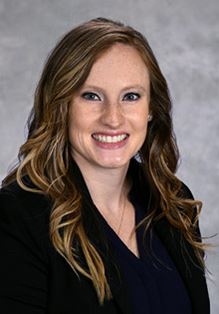
Doctor
Cherisse Mecham, MD
Medical Director, Emergency Department - Thomas Campus
Specialties
  • Emergency Medicine
  • Urgent Care
Cherisse  Mecham, MD
Condition
Cataracts in Children
Cataracts in Children What are cataracts in children? A cataract is a clouding of the eye's lens. The lens is normally clear (transparent). Cataracts keep light rays from passing through the lens and focusing on the retina. The retina is the thin layer of nerve tissue that lines

Doctor
Paula M. Tizzard, MD
4.5 / 5
Specialties
  • Gastroenterology
Paula M. Tizzard, MD
Doctor
Amod A. Sawardekar, MD
Associate Division Chief, Anesthesiology
Specialties
  • Anesthesiology
Amod A. Sawardekar, MD
Condition
Hereditary Hemochromatosis
Hereditary Hemochromatosis What is hereditary hemochromatosis? Hereditary hemochromatosis is a genetic blood disorder that causes your body to absorb too much iron from the food you eat. Iron is a mineral found in many foods. But too much iron is toxic to your body. The excess
Condition
Facioscapulohumeral Muscular Dystrophy in Children
Facioscapulohumeral Muscular Dystrophy in Children What is FSHD in children? Facioscapulohumeral muscular dystrophy (FSHD) is a rare genetic muscle disease that affects the muscles of your child’s face, shoulders, upper arms, and lower legs. These muscles weaken and shrink

Pagination

  • Previous page
    Prev
  • First page 1
  • …
  • Page 29
  • Current page 30
  • Page 31
  • …
  • Last page 172
  • Next page
    Next
Phoenix Children's Hospital
Footer
  • Contact Us
  • Scheduling: 602-933-5437
  • Phone Directory
  • About Us
Footer Right
  • Careers
  • Bright Futures Blog
  • Price Transparency
  • Phoenix Children’s Foundation
©2026 

Phoenix Children's. All Rights Reserved. | Our Policies

USNWR Badge
Picture of a cactus with sun and clouds