

1601-1610 of 3459 Results Found
Service,
Specialty
Healthy vision is important for physical, mental and social development. At Phoenix Children’s, our fellowship-trained, board-certified pediatric ophthalmologists and optometrists embrace the latest techniques and technologies. Our highly trained team provides eye testing and
Doctor
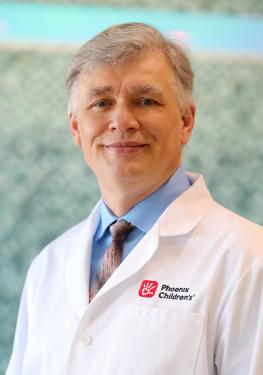
Vladimir Kalinichenko, MD, PhD
Director, Phoenix Children’s Research Institute at the University of Arizona College of Medicine – Phoenix
Condition
Healthy Cooking Tips for People with Diabetes A healthy diet is not only key to correct diabetes management, but it also helps you stay at a desirable weight, control your blood pressure, and prevent heart disease and stroke. Always talk with your healthcare provider or a
Service
Cerebrovascular disorders in children encompass a range of conditions that affect the blood vessels in the brain, leading to issues such as strokes, aneurysms and arteriovenous malformations (AVMs). The risk of stroke is highest during the first year of life, but it can occur at
Programs & Services
At the Center for Spine Care, we use state-of-the-art techniques to diagnose your child’s condition and create a safe, effective treatment plan. Phoenix Children’s offers integrated care plans to our spine patients that connect to a wide range of special programs and services
Conditions We Treat
The Aerodigestive Clinic combines specialized diagnostic testing, advanced treatment options and family-centered care. This unique combination sets us apart and allows our highly qualified care team to manage the most complex aerodigestive conditions. At the Aerodigestive Clinic
Center for Fetal and Neonatal Care Research
The Center for Fetal and Neonatal Care at Phoenix Children’s cares for thousands of families before the birth of their babies. This work allows us to enhance diagnostic accuracy and track and improve outcomes after the baby is born. Our researchers collaborate nationally to
Vagus Nerve Stimulation (VNS)
A Vagus Nerve Stimulation (VNS) is a device used to treat seizures when medicines are not effective and surgery is not possible for a cure. VNS consists of a pacemaker-like generator placed underneath the skin on the chest and is attached to thin wires threaded up to, and wrapped