

721-730 of 3660 Results Found
Programs & Services
From the moment your child arrives in the CVICU, our experts are there to provide comprehensive, compassionate care. As the largest pediatric cardiac care center in Arizona, we regularly encounter a wide range of complex cases, giving us the experience to handle even the most
Condition
Myasthenia Gravis (MG) in Children What is myasthenia gravis in children? Myasthenia gravis (MG) is a disorder that causes weakness in muscles around the body. This happens because antibodies destroy some of the places where nerves and muscles meet (neuromuscular connections). MG
Condition
Inguinal and Umbilical Hernias in Children What are hernias in children? A hernia is when a part of the intestine or other tissue pushes through an opening in the belly (abdominal) muscles. The hernia creates a soft lump or bulge under the skin. In children, a hernia often
Condition
Poison Ivy, Oak, and Sumac Rash What is poison ivy, oak, and sumac rash? Poison ivy, poison oak, and poison sumac are types of American plants. They each grow in different parts of the country. The plants cause allergic contact dermatitis in most people who touch them. The rash
Condition
Erectile Dysfunction (Impotence) What is erectile dysfunction? Erectile dysfunction (ED) or impotence means you can’t get an erection. It can also mean you aren't happy with the size or hardness of your erections, or how long your erections last. In the past, ED was thought to be
Condition
Hydrocephalus What is hydrocephalus in children? A baby with hydrocephalus has extra fluid in and around the brain. This fluid is called cerebrospinal fluid (CSF). Most CSF is normally found in fluid-filled areas (ventricles) inside the brain. Its purpose is to cushion and
Doctor
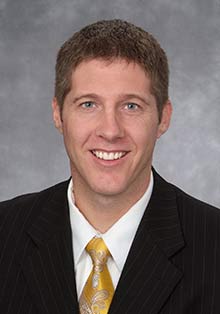
Jeffrey W. Hanson, MD
Director, Cardiac Anesthesia; Co-Director, Center for Heart Care
Specialties
Meet the Director
Hello colleagues, I wanted to take a moment to introduce myself and our residency program in a different way. The details that fit in neat, bulleted points matter. They are the bones of our program. They represent the decisions of our team and previous ones that shape pediatric