

Pectus Center
We specialize in diagnosing and treating a wide range of chest wall differences in children. Our team of pediatric specialists combines advanced expertise with the latest techniques to give your child compassionate, comprehensive care.
Pectus Excavatum
(Sunken Chest)
Pectus excavatum is also called sunken chest. It is the most common childhood chest deformity. The condition occurs when the breastbone (sternum) curves inward. Malformed cartilage connecting the sternum to the ribs creates a dip in the chest, giving it a sunken-in appearance.
Pectus excavatum is often present at birth. However, its symptoms don’t typically become noticeable until your child grows older.
Symptoms of pectus excavatum occur when the sternum crowds the heart and lungs, causing:
- Chest pain
- Lack of endurance
- Fatigue
- Shortness of breath
- Rapid heartbeat
This condition can also affect self-esteem, causing social anxiety and a lack of self-confidence that limits positive interactions with others.
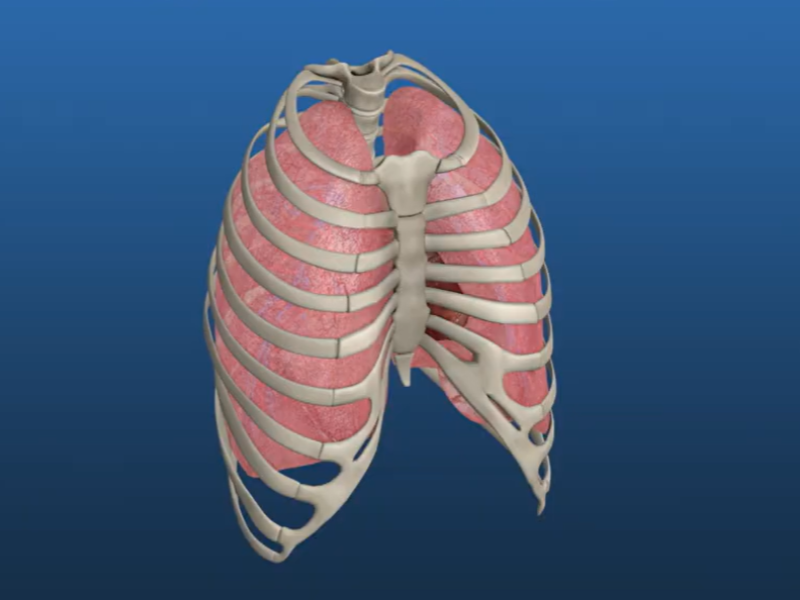
Learn more about the diagnostic, evaluation and treatment of pectus excavatum, the most common congenital chest wall deformity among children.
*Please note: This video contains animated surgical footage.
Pectus Repair After Sternotomy
Sometimes a child who previously needed an open-heart surgery procedure called a median sternotomy develops pectus excavatum. Although uncommon, the condition can be more pronounced and may cause several symptoms, including shortness of breath, lower stamina, chest discomfort or concerns about appearance.
Because this type of repair involves areas that have already been operated on, our team plans the procedure very carefully. A cardiac surgeon who understands your child’s original heart condition and surgery is part of your child's care team.
A repeat sternotomy is usually performed to safely separate your child’s breastbone from the tissues and heart underneath. Cardiopulmonary bypass is kept on standby as an extra safety measure. Once your child’s heart is freed, their breastbone is closed again, and the pectus bars are placed, just as in a standard repair. Children typically do very well after this procedure, although they may need a longer hospital stay because the surgery is more complex.
Pectus Carinatum
(Pigeon Chest)
Pectus carinatum is also called pigeon chest. It occurs when the breastbone and ribs grow outwards more than they should, giving the chest a bowed-out appearance. Pectus carinatum tends to affect boys more often than girls. The condition becomes more noticeable around adolescence, when a significant growth spurt takes place.
Some children with pectus carinatum don’t experience physical symptoms but may be unhappy with the way their chest looks. Those negative feelings can lower self-esteem and affect their quality of life. Many children benefit both physically and psychologically when their chest wall issues are corrected.
Mixed Defects
Some chest wall conditions that affect children are less common but still require careful attention and expert care because they can affect breathing, activity levels and how your child feels about the way their chest looks.
Mixed chest wall defects can vary widely in appearance and severity. Even though these conditions are rare, our specialists diagnose and treat them regularly. We take the time to learn about your child’s symptoms, growth, activity level and goals so we can personalize their care for the best possible outcome.
Pectus Arcuatum
Pectus arcuatum is a rare chest wall defect where the breastbone is short, broad and angled, and the upper portion of the sternum projects outward and the lower portion curves inward. It combines features of pectus carinatum (a chest that sticks out) and pectus excavatum (a chest that curves inward). When viewed from the front, the upper chest can look like the curved horns of a steer with two prominent areas on each side and an arch across the middle. Because the sternum is both wide and angled, the chest is more rigid than with other chest wall differences.
Pectus arcuatum is present at birth, but it often becomes easier to notice during rapid growth during adolescence. The condition usually involves both the sternum and the nearby cartilage. It can range from mild to more significant, and sometimes runs in families along with other chest wall differences. Some children have no symptoms at all, while others may experience lower stamina, shortness of breath, chest discomfort or concerns about their appearance.
To diagnose pectus arcuatum, your child’s evaluation may include:
- 3D imaging
- Echocardiography
- Cardiopulmonary exercise testing (CPET)
Our chest wall team has extensive experience with rare conditions, such as pectus excavatum. We tailor each care plan to your child's anatomy, symptoms, and goals and guide you through every step of the process. Treatment depends on the severity of the condition and whether your child has symptoms.
Treatment options include:
- Observation: For mild cases without symptoms.
- Bracing: Not effective for this condition because the cartilage is typically rigid and the sternum itself is angled.
- Surgery: Reshapes and repositions the angled sternum and cartilage and lifts the lower part of the sternum off the heart using a Nuss bar. Surgery offers excellent functional and cosmetic outcomes and is usually recommended once a child has reached their adult size.
Slipping Rib Syndrome
Slipping rib syndrome occurs when the lower cartilages in the chest don’t connect properly, allowing some ribs to move and slide against each other. This movement pushes the rib bones against the nerves that run beneath each rib, causing pain in the upper abdomen and chest. Twisting, bending, deep breathing or coughing may make the pain worse.
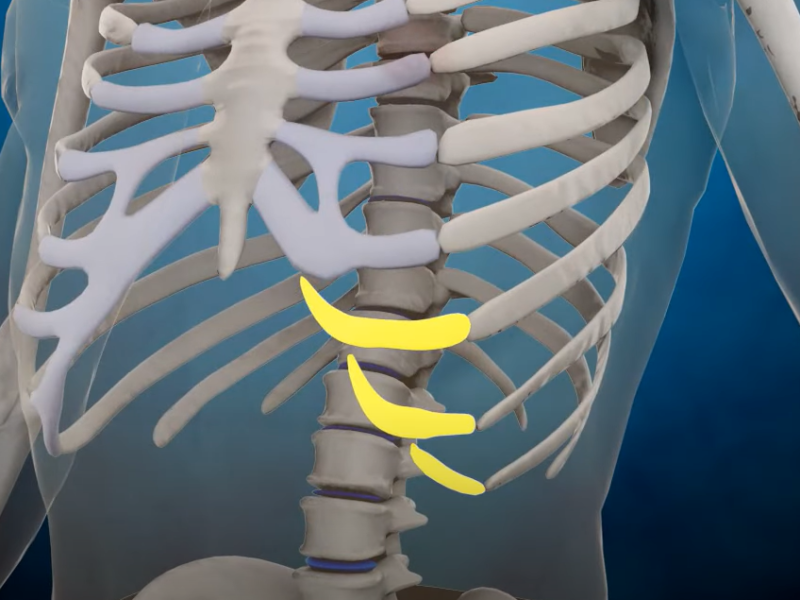
Learn more about slipping rib syndrome treatment at Phoenix Children's Pectus Center.
*Please note: This video contains animated surgical footage.