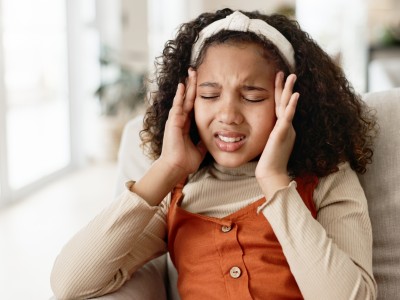
Most children who have a concussion feel better within two weeks. For some children and teens, though, headaches won’t go away. When a headache doesn’t go away after a concussion, it may be a post-traumatic headache — also called a post-concussion headache. These headaches can affect sleep, school performance, sports and everyday life.

The Concussion Clinic and Pediatric Headache Clinic at Barrow Neurological Institute at Phoenix Children’s offer specialized, coordinated care for children and adolescents managing these headaches. Our team of board-certified pediatric specialists works with your family to understand what’s happening. We can connect you with the right care at the right time and help your child get back to the life they love.

When to Go to the Emergency Department

Some symptoms after a concussion require medical attention right away. If your child has any of these symptoms, go to the emergency department or call 911:

  • Vomiting that won’t stop or keeps coming back
  • Any loss of or decrease in consciousness
  • A severe headache that gets progressively worse
  • Any unusual mental or physical behavior, such as problems with balance

Finding the Right Care at the Right Time

At Phoenix Children’s, the right care team for your child depends on how long ago the concussion occurred and what symptoms they have.

Children Within Three Months of a Concussion

Children within three months of a concussion who are managing multiple symptoms are seen in the Concussion Clinic. These symptoms include headache, sleep changes, cognitive fog (difficulty thinking clearly) and mood shifts. Our clinic brings together specialists from Sports Medicine and Neurology. That means the right expertise is in place from the start, whether the injury happened during a game, a fall or a car accident.

Children Not Recovered by Four to Six Weeks

For children who are not recovered within four to six weeks and are still managing headaches along with challenges returning to school and sports, the multidisciplinary Concussion Clinic offers a more intensive option. Your child can meet with specialists from Neurology, Sports Medicine and Neuropsychology in a single visit, so your family isn’t navigating multiple visits when time matters most.

Children With Headache at Three Months

When headache has become the main or only remaining concern by the three-month mark, the Pediatric Headache Clinic is the right fit. This clinic specializes in diagnosing and treating persistent headaches. We offer advanced treatment options for children whose headaches haven’t responded to earlier approaches.


What You Can Do Right Now

One of the most important steps any family can take starting on day one is making sure your child understands what’s happening and why. Research shows that education about what to expect after a concussion measurably shortens recovery time. And it’s something you can start before your first appointment.

Medication choices matter more than many families realize. In the first 48 hours, acetaminophen (such as Tylenol) is generally the best option. After 48 hours, ibuprofen and other NSAIDs (nonsteroidal anti-inflammatory drugs, such as Advil or Motrin) are appropriate. How often your child takes them is worth watching closely.

Using over-the-counter pain relievers more than two to three days a week for several months can create a new pattern of headaches called medication-overuse headache. If that happens, the solution is preventive treatment, not more pain medicine.

It may seem like your child needs total rest after a concussion, but research tells a different story. After the first 48 hours, gentle activity actually helps the brain heal. Gentle activities like a short walk or easy swim are a good starting point but remember to avoid contact sports until clearance is given.  The key is keeping exercise light and stopping if a headache or other symptoms get worse.

Let Experts at Phoenix Children’s Help Your Family

If your child has a concussion with lingering symptoms, consider a visit with experts in our Concussion Clinic or Pediatric Headache Clinic. Let us help your child get back to being a kid.