

When children grow up in safe, stable, and nurturing environments, they thrive. Research shows that without these consistent supports, traumatic experience, adverse experiences and chronic stress—known as adverse childhood experiences (ACEs)—can increase the risk of serious but preventable health challenges, both in the now and in the future.

ACEs can lead to physical, emotional, relational, social and behavioral challenges that can contribute to adult-onset disease such as heart disease or depression. Impacts can be seen in both the brain and the body, and may also affect a child’s emotions, learning and relationships. With strong support and caring connections, many of these risks can be reduced, giving children a healthier path forward.

The good news is that children can grow stronger with caring relationships and positive guidance. These connections help them build resilience, develop healthy coping skills and protect their mental health well into adulthood.
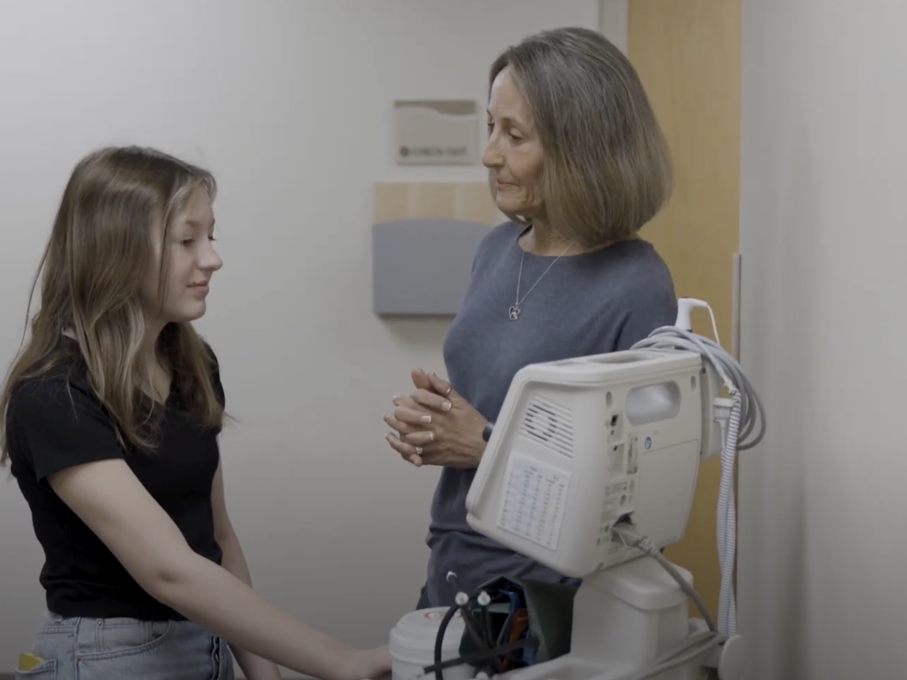

Nurturing Healing and Fostering Resilience after Life-Altering Events

The Center for Resiliency and Wellbeing (CRW) at Phoenix Children’s is a place where children and teens, ages 1 to 17 and a half, can find care and support. Our goal is to help your child heal from difficult experiences, strengthen their ability to cope with challenges, and grow in ways that promote lifelong health — physically, mentally and emotionally.

We use approaches that science shows (evidence-based) help children heal and strengthen resilience. Depending on your child’s needs, our services may include wellness assessments, trauma-specific counseling, resilience-focused education, and connection to patient and family resources.

Understanding ACEs: Frequently Asked Questions

Adverse childhood experiences (ACEs) are stressful or traumatic events that happen to children and teens. These include discrete life-threatening events, such as abuse, neglect, household dysfunction, as well as ongoing conditions like bullying, poverty, racism or discrimination. These experiences link to both short-term and long-term impacts on health, emotions, behavior and ability to succeed later in life.

Health experts first identified 10 Adverse Childhood Experiences (ACEs) that are closely tied to higher health risks for children and teens. 

  • Physical abuse
  • Verbal abuse
  • Sexual abuse
  • Physical neglect
  • Emotional neglect
  • Depressed or mentally ill family member
  • Family member addicted to alcohol or another substance
  • Imprisoned family member
  • Witnessing a caregiver being abused
  • Losing a caregiver to separation, divorce or death

Today, we also recognize that many children face other adversities, like racism, poverty, discrimination, and unsafe neighborhoods, which can similarly activate the body’s stress response and impact lifelong health. 

When children go through a lot of stress, their bodies release ‘stress chemicals’ more often than usual. This can affect healthy brain development, their bodies and even how they handle tough situations. It can also make it harder to manage their feelings, get along with others or focus and learn in school.

Children and teens who have faced ACEs may be more likely to experience difficulties such as:

The body has a built-in alarm system, called the stress response system, that switches on whenever a person feels scared or senses danger. It releases chemicals and hormones to help the body stay safe in the moment. This system is always working to decide if we are ‘safe’ or ‘not safe.’ It’s important for survival, but if it turns on too often, it can start to affect a person’s body, feelings, and behavior in harmful ways.

Your body always looks for balance. Homeostasis means stability. It’s the steady state that keeps things like heart rate, body temperature, and blood pressure within a healthy range. Allostasis means adaptation. It’s how your body adjusts when things change or stress appears so that you can meet the demands of the situation.

Here’s how they work together:

  • Homeostasis: Your body keeps your temperature near 98.6 °F.
    Allostasis: Before you even step outside on a cold morning, your brain anticipates cold, tightens blood vessels, and adjusts metabolism in advance. 
  • Homeostasis: Your body keeps blood sugar in a steady range.
    Allostasis: Your blood sugar rises when you wake up to prepare you for the day. Your body gives you energy before familiar routines, such as going to school or playing sports. 
  • Homeostasis: Heart rate stays within a steady, age-appropriate range. 
    Allostasis: Hearing a sudden noise increases your heart rate before you know what it is – your body prepares you to act.

During exercise, your brain releases stress hormones like adrenaline, which increases heart rate, blood flow, and oxygen delivery to your muscles.

These quick adjustments keep you safe. But when stress happens too often, your body stays in “adjust” mode — and that constant effort can wear it down over time.
 

Resiliency is the ability to adapt to challenges or traumatic events in a positive way and return to a state of being that is health promoting. For children, building resilience is a process that takes time. It means having the tools, support and confidence to navigate challenges. Families can build resiliency by practicing and developing coping skills, finding positive outlets for stress, engaging in play and learning together, and creating safe, stable and nurturing relationships and environments.  Over time, these strengths can help children bounce back from adversity and feel hopeful about the future. 

Trauma-informed care (TIC) is an approach that helps us understand how trauma affects a child’s body and mind. When children experience trauma, it activates their stress response to help them survive in the short term. Over time, lasting stress can lead to problems with physical health, mental health and behavior.

TIC encourages seeing behavior as a response to past experiences, rather than a personal flaw. Instead of asking, “What’s wrong with you?” TIC invites us to ask, “What happened to you?” and “How can I support you?” with curiosity and compassion.

Compassionate connection is an approach we use to understand children and families within the context of their life experiences, without blame or shame. We assume each caregiver and child is doing their best, and we work together to build trust, reduce fear and promote healing.

PCEs are positive relationships, environments and opportunities that help children feel they belong, are safe and are valued. They build connections, strengthen resilience and can offset some of the effects of past trauma.

Our Team

The Center for Resiliency and Wellbeing team specializes in trauma-informed care. Wellness Nurses guide families through a wellness assessment, education on the stress response and building skills that promote resilience. Resiliency Counselors (licensed mental health therapists) provide trauma-specific counseling and interventions to support children’s emotional, behavioral and physical health. When needed, our team collaborates with a child and adolescent psychiatrist who specializes in trauma for additional evaluation or care.


For Patients and Families or Other Caregivers

If your child has gone through stress, adversity or trauma that seems to be affecting their health, emotions, or behavior, talk with your pediatrician or primary care provider about a referral to the Center for Resiliency and Wellbeing. An initial assessment with our team can be an important first step toward healing and long-term support.

Our online resources provide practical ideas; from small changes you can make today to ways of supporting a safe and nurturing home environment. These tools help children and caregivers feel more equipped to manage challenges while building long-term resilience. 

LEARN MORE

For Pediatric Healthcare Providers

If you care for children of any age, it’s important to understand the types and risks of ACEs. ACE-related impacts can alter brain structure and connections. They can influence everything from epigenetics (effects of behavior and environment on genes) to neuroendocrine and immune system function.

We welcome opportunities to partner with pediatric healthcare providers in identifying ACE-related risks early. Take a moment to review our online resources about ACEs and the CRW team’s evidence-based, multispecialty approach to trauma-informed care.

LEARN MORE