Ever since Rowan was a toddler, his pediatrician monitored a depression in his chest at each of his well-child visits. The depression wasn’t deep when Rowan was young. Neither the pediatrician nor Rowan’s mom, Monique, was initially concerned.
Over the years, the sunken appearance of Rowan’s chest became more pronounced, but it wasn’t affecting his health.
“I’d noticed Rowan’s sunken chest since he was young. It seemed minor and cosmetic for most of his childhood, and I just cared about having a healthy child,” Monique said.
As he got older, Rowan’s concave chest continued to worsen. When he was 13, Monique began researching the medical condition “pectus excavatum.”
Pectus excavatum’s growth factor
Pectus excavatum is a condition in which the breastbone sinks into the chest. Most of the time, it’s diagnosed shortly after birth. Sometimes, the breastbone continues to sink over time, like in Rowan’s case, leaving a deep depression in the chest. Other times, it doesn’t worsen, remaining just a slight dip in the breastbone.
While the cause of pectus excavatum isn’t known, risk factors may include a family history of the condition or a genetic disease, such as Marfan syndrome.
When pectus excavatum becomes severe, it can press on critical organs in the chest wall, like the heart and lungs. That can lead to symptoms including shortness of breath and fatigue. Often, these symptoms get worse during puberty, when teenagers grow.
In addition to causing physical symptoms, pectus excavatum can lead to self-image concerns. That anxiety is what spurred Rowan to start talking to his mom about the depression in his chest.
Quality-of-life concerns
Rowan was a swimmer in middle school. That’s when he began noticing his chest’s sunken look and feeling self-conscious. He also started experiencing some breathing problems.
“Before that, I hadn’t thought much of it,” Rowan said.
Rowan’s physician, Dr. Lee recommended an X-ray, which showed that his chest was so concave, it was actually changing the shape of his heart. Dr. Lee referred Rowan to Phoenix Children’s Pectus Center.
“At that point, we knew it was time for treatment,” Monique said.
Answers and expert care at Phoenix Children’s
Phoenix Children’s Pectus Center helps children, like Rowan, with chest wall deformities. Chest wall specialists use advanced diagnostic tools to visualize the chest cavity in 3D. This helps them understand how its shape affects the heart and lungs.
If pectus excavatum is mild, surgery usually isn’t needed. Sometimes, patients benefit from physical therapy to improve posture and increase the chest’s ability to expand.
Because Rowan’s chest wall had begun to push on his heart and lungs, his doctor recommended the Nuss procedure – the gold standard of surgical treatment for children with pectus excavatum.
The procedure is minimally invasive and designed to reshape a child’s chest wall by placing small, curved bars beneath the sternum. The bar lifts the chest into its correct location and then holds it there – often for several years.
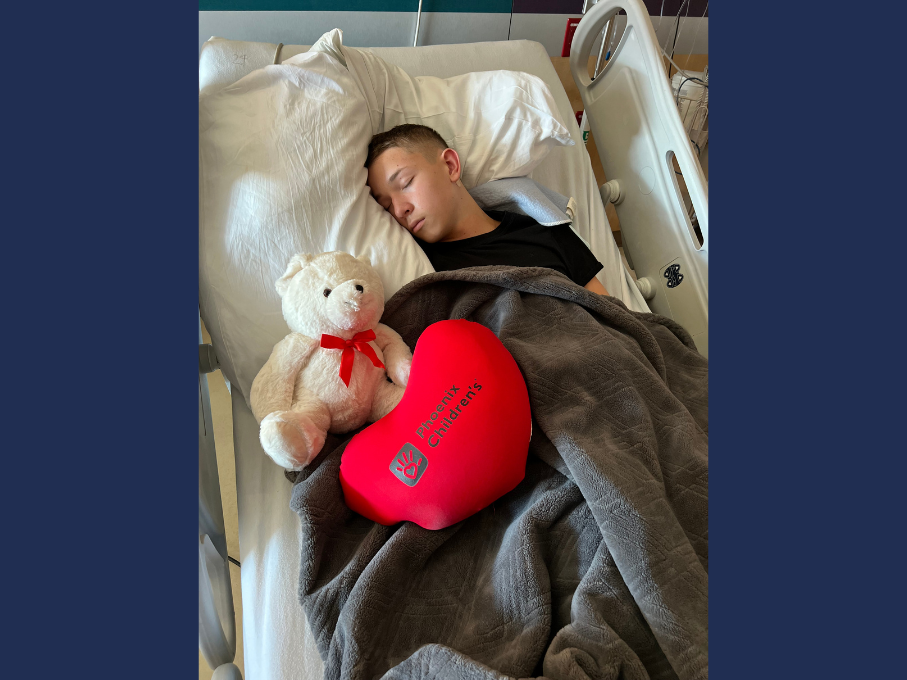
Rowan underwent the Nuss procedure in January 2023, when he was in the eighth grade. Three years later, Lisa McMahon, MD, a pediatric surgeon and director of Phoenix Children’s Pectus Center, removed the bar.
“Everyone was very thorough,” Monique said. “They explained everything. From the scheduling team to the providers, it was a great experience. Everyone was kind and open to questions and concerns.”
Strength and confidence after treatment
Now a junior in high school, Rowan says he’s “100% happy” he decided to pursue treatment for pectus excavatum.
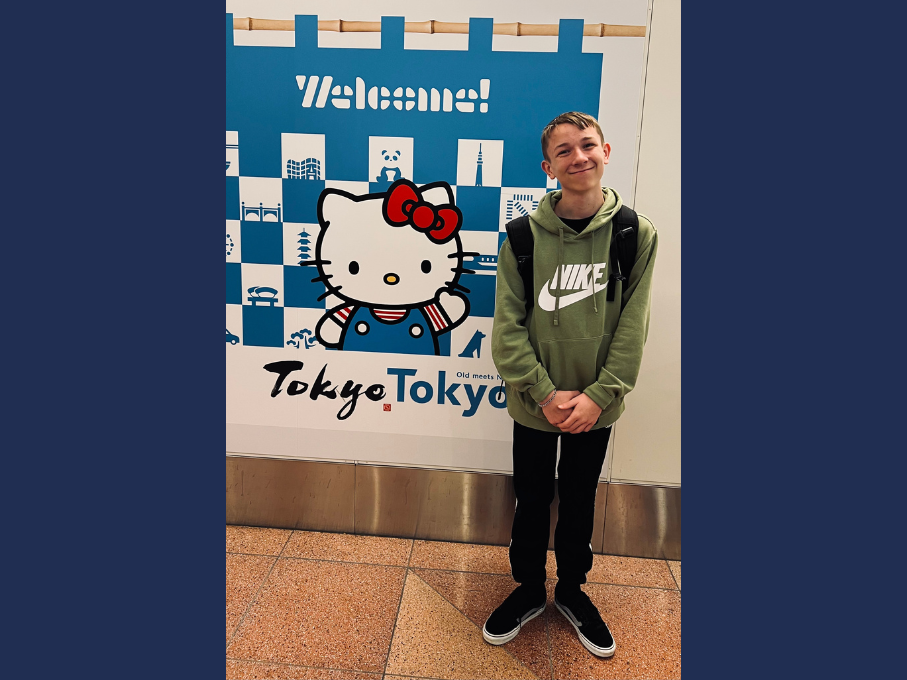
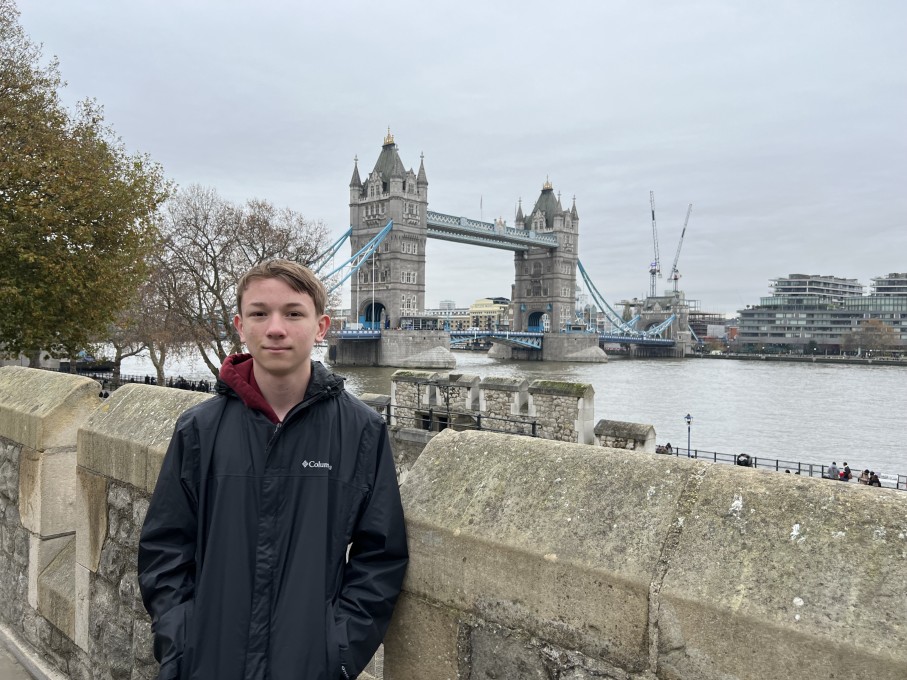
“I feel much better, healthier, stronger and more confident about myself,” he said, noting he’s now more able to enjoy activities like lifting weights and traveling.
Monique couldn’t be more grateful that Phoenix Children’s was close by and had the expertise her son needed.
“I feel so blessed,” she said. “Knowing that this was an option and that my child is healthy is everything.”